


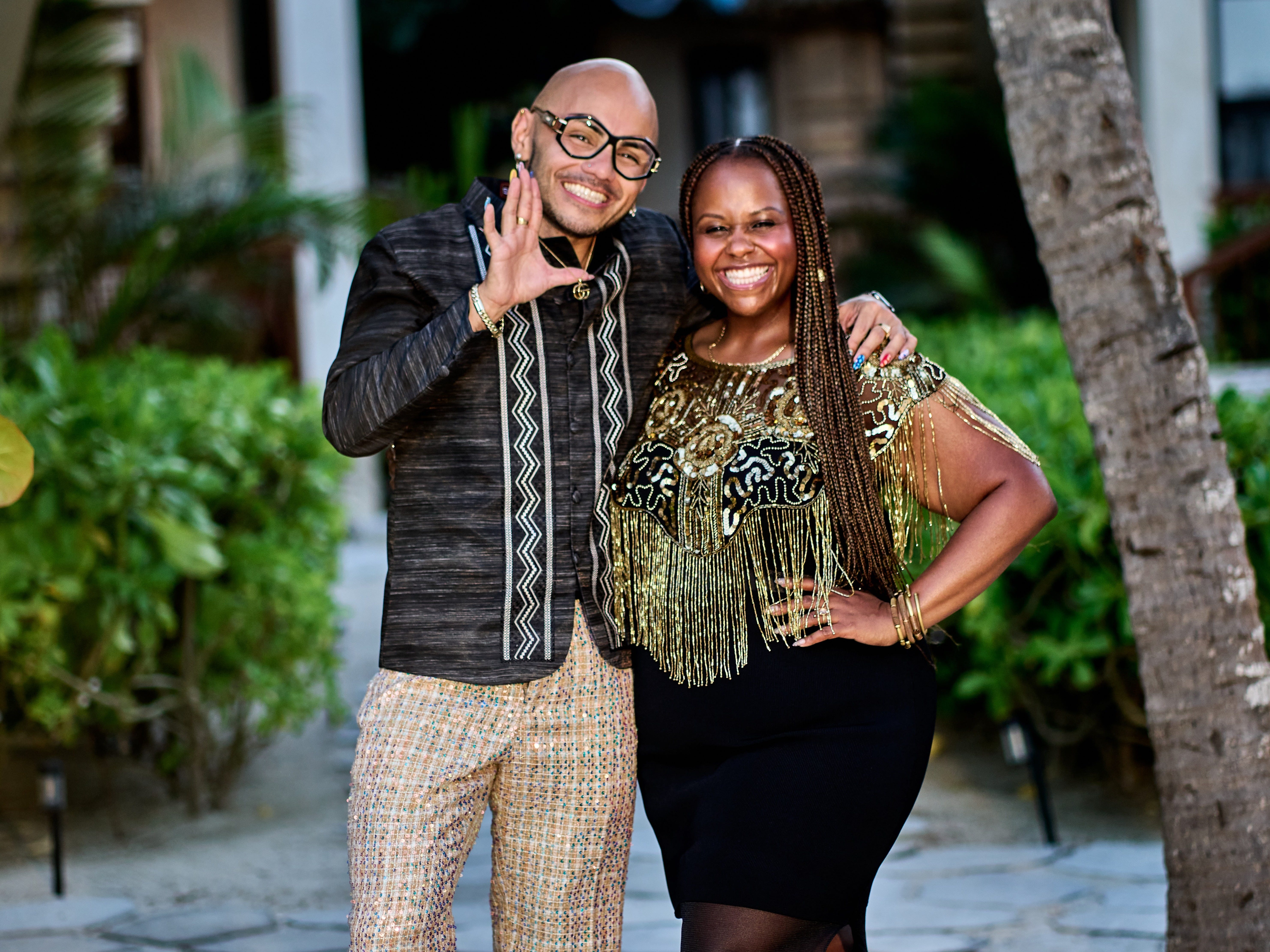
Photo courtesy of @belizemytravels
First, thank you to everyone for supporting the Culture of Convening!
When we began this journey, our goal was to build a community of people who share our passion for convening and are willing to challenge traditional practices around gatherings.
If you saw our last video, Carmen talked about our Convening Formats Guide: 28 ways people come together through the Culture of Convening lens. We’re excited to launch both our cheat sheet and field guide, both free, but you can only get the field guide if you are a subscriber. So subscribe to The Culture of Convening to access our workbook.
It all started with a phone call where we delved into what we consider a convening. True to our nerdy ways, we spent hours discussing how people gather—from conferences and fireside chats to weddings and funerals, and even concerts. During our conversation, we realized we’d probably organized over a hundred events together, even if we never took the time to count them.
We want this guide to serve as an invitation for everyone willing to rethink traditional approaches to gatherings.
As times have changed, many of our practices haven’t evolved to reflect that. It’s crucial to focus on desired outcomes before diving into the planning process. Many people cling to “traditions” without understanding their origins, which can exclude those with new ideas or cause us to lose valuable participants because of outdated content.
We’ve challenged ourselves to consider various formats to help leaders choose the right approach, while asking key questions to ensure we can all achieve the desired outcome. We’re looking forward to discovering new ways to tackle this work and engage with the concept of convening in a way that resonates with today’s realities.
There are four questions we ask ourselves before we even start planning the convenings that we want to share with our community:
Why are we bringing these people together?
What do we want them to experience?
What should be different because we gathered?
Is the format we’re choosing actually going to help us get there?
Here’s an example:
Carmen’s husband’s family has many traditions around funerals and homegoing ceremonies, and they uphold a specific tradition. They use the same funeral home in Brooklyn, and their processions are very organized. Many family members work in transportation, so they can drive their designated cars, creating an almost choreographed family activity.
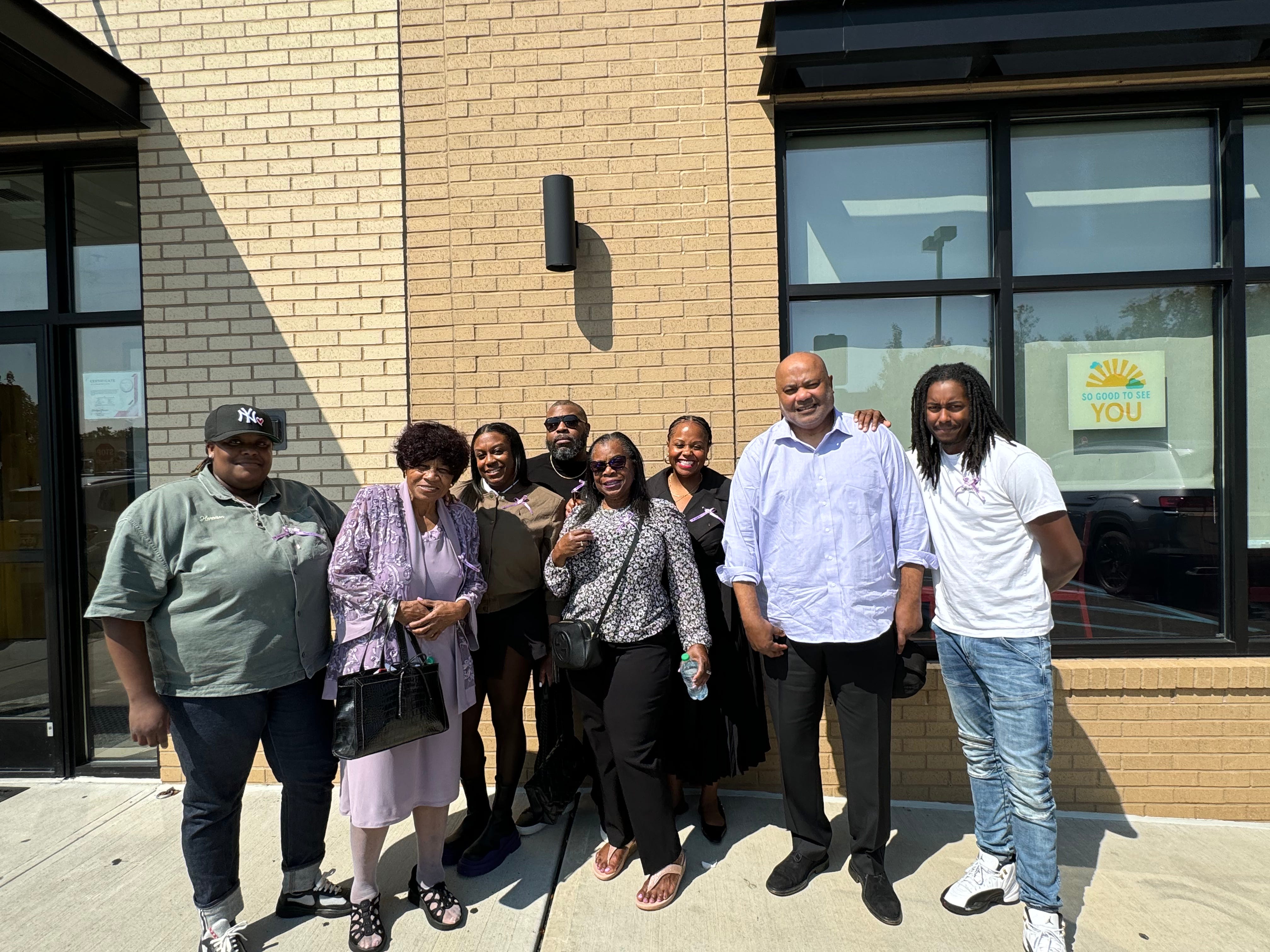
Carmen and her husband Lee’s immediate family at their aunts homegoing service
At the last funeral, the family gathered at a Brooklyn restaurant after the burial. Despite the sadness, the family approached the wake in a way that felt beautiful, joyous, and serene. There were tears, and it was a sad time, but they created a beautiful space that let them connect with their aunts’ children, grandchildren, and the rest of the extended family. They had delicious food, drinks, a DJ, and even a step-and-repeat for their beloved auntie. It felt almost like a family reunion.
This experience showed Carmen that while there is a traditional way to conduct homegoings, their family took it a step further by focusing on the desired outcome. They were there to mourn, but they also celebrated their auntie’s life, and their actions reflected that. These examples show that there are diverse, meaningful ways to approach gatherings like these. So let’s break it down:
Format: Wake Service (funeral)
Why are we bringing these people together? To ensure that family members feel like they have a space to grieve and celebrate the life of Carmen and Lee’s Auntie.
What do we want them to experience? Auntie’s joy. A bit of a reprieve. Family reunion/cook out atmosphere. A space to mourn and grieve–but also a space to come together and celebrate her life.
What should be different because we gathered? Their family should experience coming together and celebrating someone’s life through a traditional wake, but we get to show the kids, the elders, and the family that they can still enjoy each other’s company.
Is the format we’re choosing actually going to help us get there? Yes, we are going to use funerals, but ALSO a celebration, and that gives us the freedom to think more expansively about how we want to plan.
Whether you are hosting a fundraiser or a school play, if we really want to help people, we must consider an important question: is this the right approach?
Again, thank you so much! Please feel free to follow us on Instagram. We just started up our YouTube channel, so follow us there too. Talk to y’all next week.
–Carmen and Gregory
👉🏽 [Download the free cheat sheet] https://www.cultureofconvening.com/cheat-sheet
👉🏽 [Subscribe to get the full guide] https://www.cultureofconvening.com/guide