



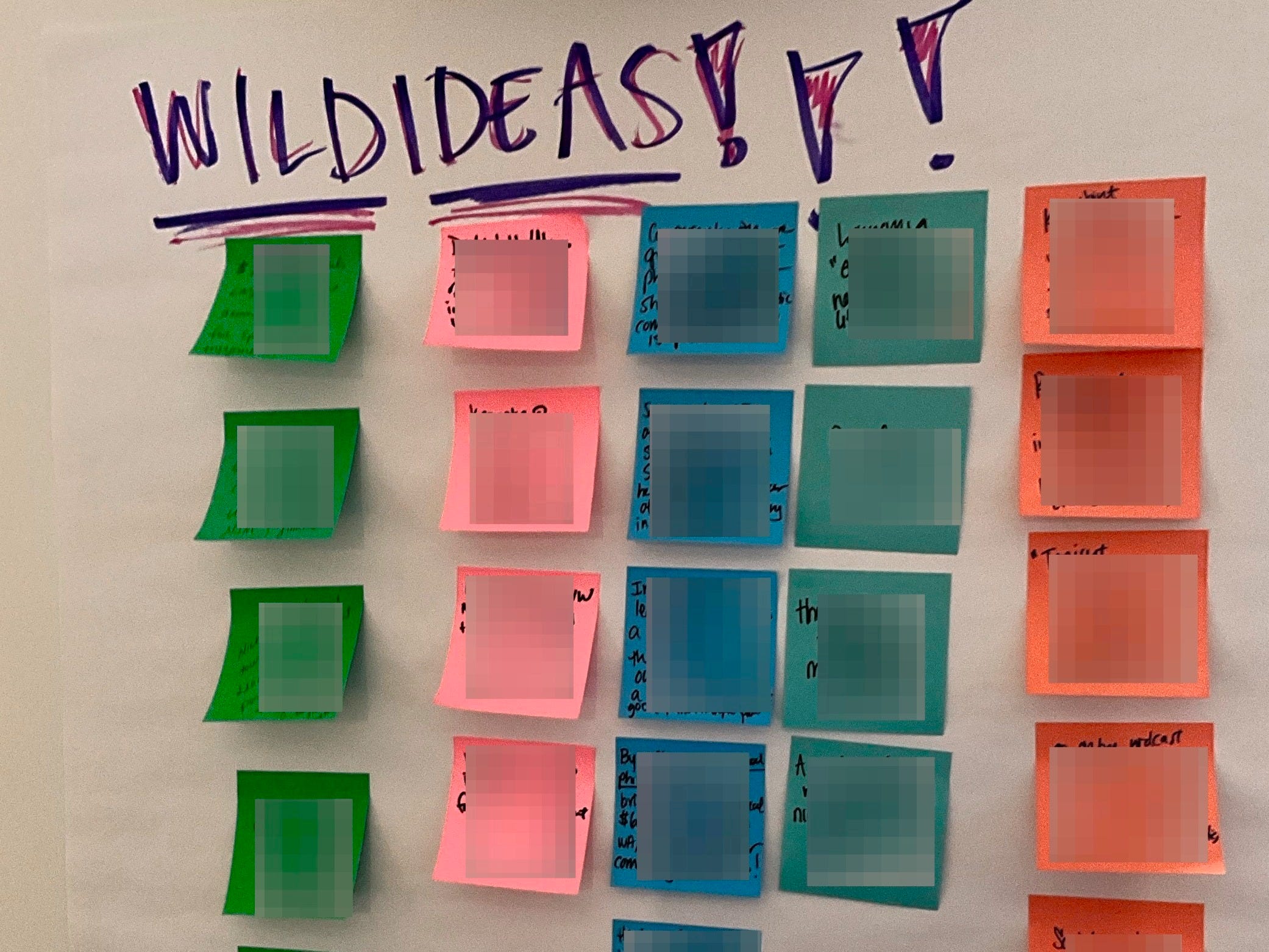
It’s budget season!!!
For some of you, this is the perfect time to start dreaming about your 2027 convenings. For others, this is the time of year when operations starts asking you questions they know damn well you don’t have answers to. And somehow, you still need to come up with the right answer because the budget is due to the board.
Before you put last year’s events back in the budget, ask yourself this: What are we trying to accomplish, and how will bringing people together help us get there?
We have five moves for you!
Retrospect. Goal set. Brainstorm. Prospect. Crosswalk.
And if you plan retreats, conferences, trainings, fundraisers, or anything that gets people in a room together, tell me in the comments what you always make room for in your budget. Especially if you learned the hard way. We want to build this out together.
1. Retrospect
Go back through your calendar with your team and lay out all the ways you brought people together this year. Conferences, webinars, fundraisers, leadership team meetings. Yes, I want you to count the meetings in between, too.
Pull up what you actually spent alongside what you planned. What did people use? Who could participate fully, and who had a harder time getting there or being heard? What did you end up asking somebody on staff to figure out at the last minute? And after everybody went home, did you follow through on what you said you’d do?
Then look at those meetings in between. Did you bring people along, or were you so deep in the work that the very people who needed to understand where you were going had to catch up at the end? You can change that before you spend another dollar.
2. Goal set
Pull out your program goals or that five- or ten-year plan. What are you trying to change? Who needs to be part of that change? What could bringing those people together help them do?
Maybe the retreat needs to get your staff clear on what they’re doing in 2027 and who owns which decisions. Maybe the conference needs to help people across regions build relationships and leave with something they can work on together. Those are different goals. They should lead to different agendas and different budgets.
Sometimes one goal is developing your own leaders. I got to see what that looks like on a webinar my team planned while I was off doing other facilitations. I knew it was happening; it was on my calendar. And I’m going to be honest, I was a little nervous when I hopped on because I hadn’t been in the planning.
My directors, managers, and associates had it. The program, the technology, the language access, the captioning, the breakouts, and the work of making sense of what we heard—and they did such a good job!
I care what that webinar cost; I do. But I care just as much that my team could do it well and that I could play my role without being all up in the weeds. If you want more people on your team to do that, give them time to design a session, someone to rehearse with, and room to lead it. Put that time in the plan too. The cost of having someone level up in their leadership is free.99, and your ability to get more people to execute without YOU being all up in it is priceless.
3. Brainstorm
This is where you get to ask what you’d do if you weren’t already attached to what you did last year. Do you need three panels with 5 panelists? Could you do one and give people the rest of that time to work through a problem together? Could you pay a few of the people you’re hoping to reach to help design the day?
And can we budget for some joy? Karaoke, golf, games, s’mores. I’ve seen people have the conversation they needed over a fire pit after sitting next to each other in meetings all day. Give people a few ways to join in. If the best relationship-building time is on the golf course, what’s the plan for everybody who doesn’t golf?
Same with swag. I love a good T-shirt or cap. I also want to know who wants one, what sizes we need, and whether we’re about to pay to store three boxes of shirts nobody asked for.
4. Prospect
Now write down what it’ll actually take. How much will you spend? How many hours will it take your people? What needs an expert? If you’re about to put your own name down as the producer again, remember one of my favorite sayings: Just because you can doesn’t mean you should.
I like to ask three questions before I put a number in the budget.
What will it take to plan this well?
What will it take for people to participate?
And who’s doing the work after everybody goes home?
That middle question will change your budget real quick. You might find out that the people you most want in the room need help with travel or child care. You might realize that your team can lead the retreat, but they need prep time and somebody else to handle the room. And you might decide that yes, you’re keeping karaoke. I support you.
I put together two sample budgets for paid subscribers: one for a staff retreat and one for a conference. I included facilitation ranges, accessibility, swag, and fun, plus how I decide when a bigger expense is worth it.
5. Crosswalk
Put everybody’s plans on one calendar before you finalize the budget. One year, when we put our plans together across six divisions, we counted more than 70 major gatherings. Board meetings, webinars, conferences, internal and external events. Seventy. How the hell were we supposed to pull that off?
I get it. I like to do my own thing sometimes, too. And planning across teams takes time. But if two teams are trying to reach the same people or move toward the same goal, could you bring folks together once and do it well? Could you give both teams some time back and give participants a better reason to show up?
Look at what’s happening before and after the dates, too. If the same people are producing the conference, getting the board packet out, and designing the retreat in the same two weeks, decide now whether to move a date, share the work, or pay for help. And give somebody time to follow up on what people agreed to do. A recap is lovely. I also want to know who’s calling people back.
Sooooo before you turn this thing in…
Before the budget goes to the board, run it through all five.
Retrospect. Goal set. Brainstorm. Prospect. Crosswalk. Then ask your team what they’d still be scrambling to figure out the week of the event. That might be the line item you’re missing.
QOTD: What’s one thing you’ll always budget for because you learned the hard way? Or what did you spend money on that was worth every dollar?
Drop it in the comments. Somebody’s planning their 2027 convenings right now, and you might save them ten meetings.