



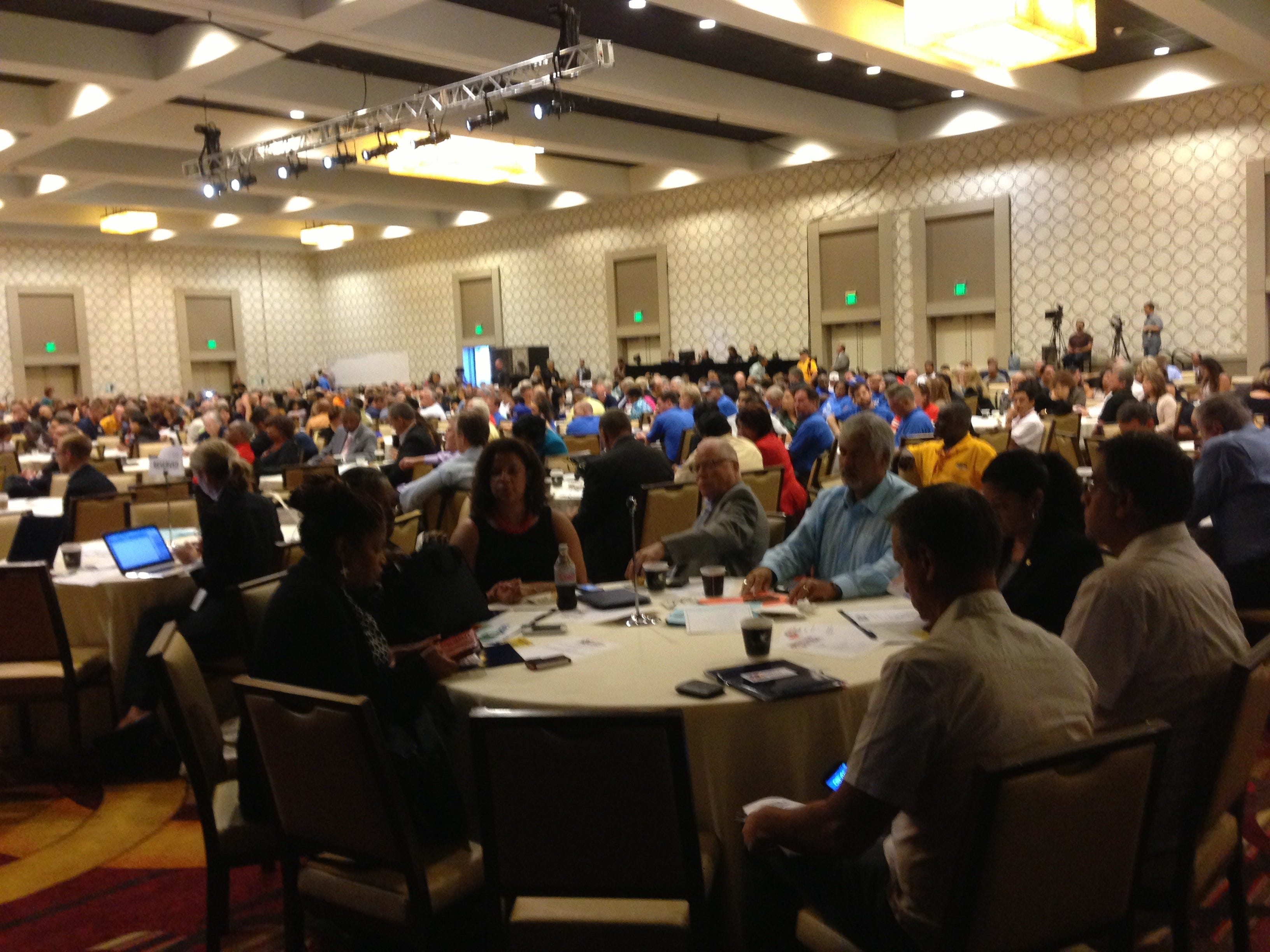
I have been to a lot of conferences.
Hundreds, probably. In hotel ballrooms and convention centers and university auditoriums. In DC, in Atlanta, in Las Vegas, in Detroit, in cities I only ever saw from the inside of a venue. Two-day conferences and four-day conferences and week-long conferences, where by Wednesday everyone is running on caffeine, carbs, and obligation.
I have keynoted at conferences. I have facilitated at conferences. I have sat in the back of conferences watching rooms of smart, passionate people slowly disengage while a panel ran 20 minutes over, and nobody stopped it.
And here is what I have come to believe: the big conference, as most of us know it, is broken. Not beyond repair. But broken in ways so normalized that we have stopped noticing.
We keep building the same room. And we keep wondering why the most meaningful moments happen outside of it.
The Template Nobody Voted For
If you have been to one big conference, you have been to most of them. The format is remarkably consistent across sectors, across industries, across decades:
Opening plenary with a keynote. Breakout sessions. Lunch (where the real networking happens, but which gets the least design attention). More panels, sometimes with enough speakers to be a conference within a conference. A reception with a cash bar or an open bar, depending on the budget. Maybe an awards ceremony and gala. Closing plenary that half the room has already left before it starts because their flights were booked for early afternoon.
This format has not fundamentally changed in my lifetime. The technology has improved. The production values have gone up. But the underlying architecture of the experience, who speaks, how long they speak, what the audience does (mostly sit and listen), how connection happens (mostly by accident), has remained the same.
Nobody voted for this template. It just got inherited. And because it is the default, it carries the weight of tradition, which, as Carmen and I wrote in an earlier piece, makes it feel permanent when it is actually just antiquated.
What Is Actually Broken
Let me be specific about what I have noticed, because “broken” is a big word and I want to earn it.
The stage is centered instead of the room. Most big conferences are designed for the people on stage, not the people in the seats. The keynote gets 60 minutes. The audience gets a five-minute Q&A. The panels are curated based on who the organizers want to feature, not what the attendees need to learn. The result is a room where the most important people are the ones with microphones, and everyone else is there to receive.
That is not convening. That is a performance. And that is not the only thing broken.
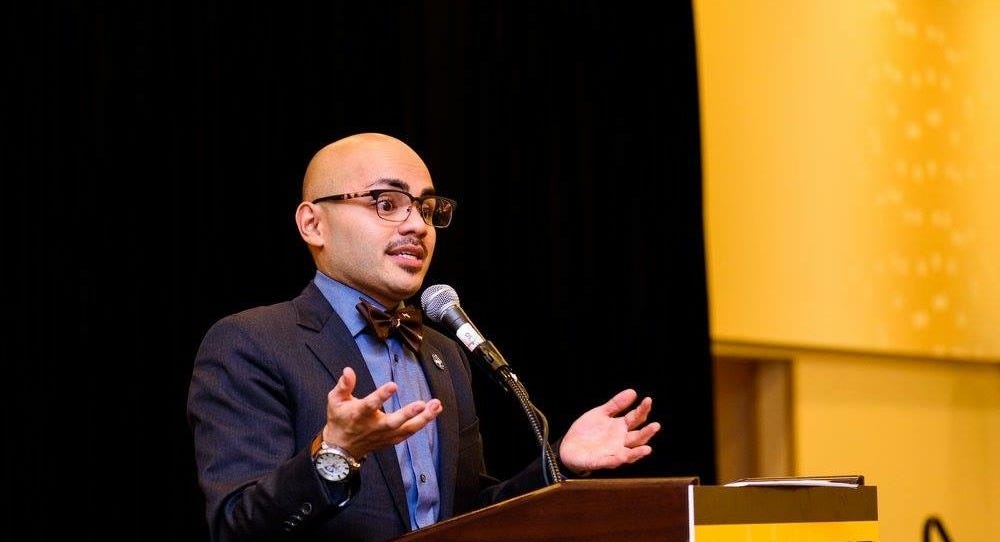
Connection is left to chance. Ask anyone what the best part of a conference was and they will almost never name a session. They will name a conversation they had in the hallway. A person they met at lunch. A late-night lobby exchange that turned into a collaboration. The most valuable thing about bringing people together, the connections between them, is the one thing most conferences do not intentionally design for at all. It just happens in the cracks of the schedule.
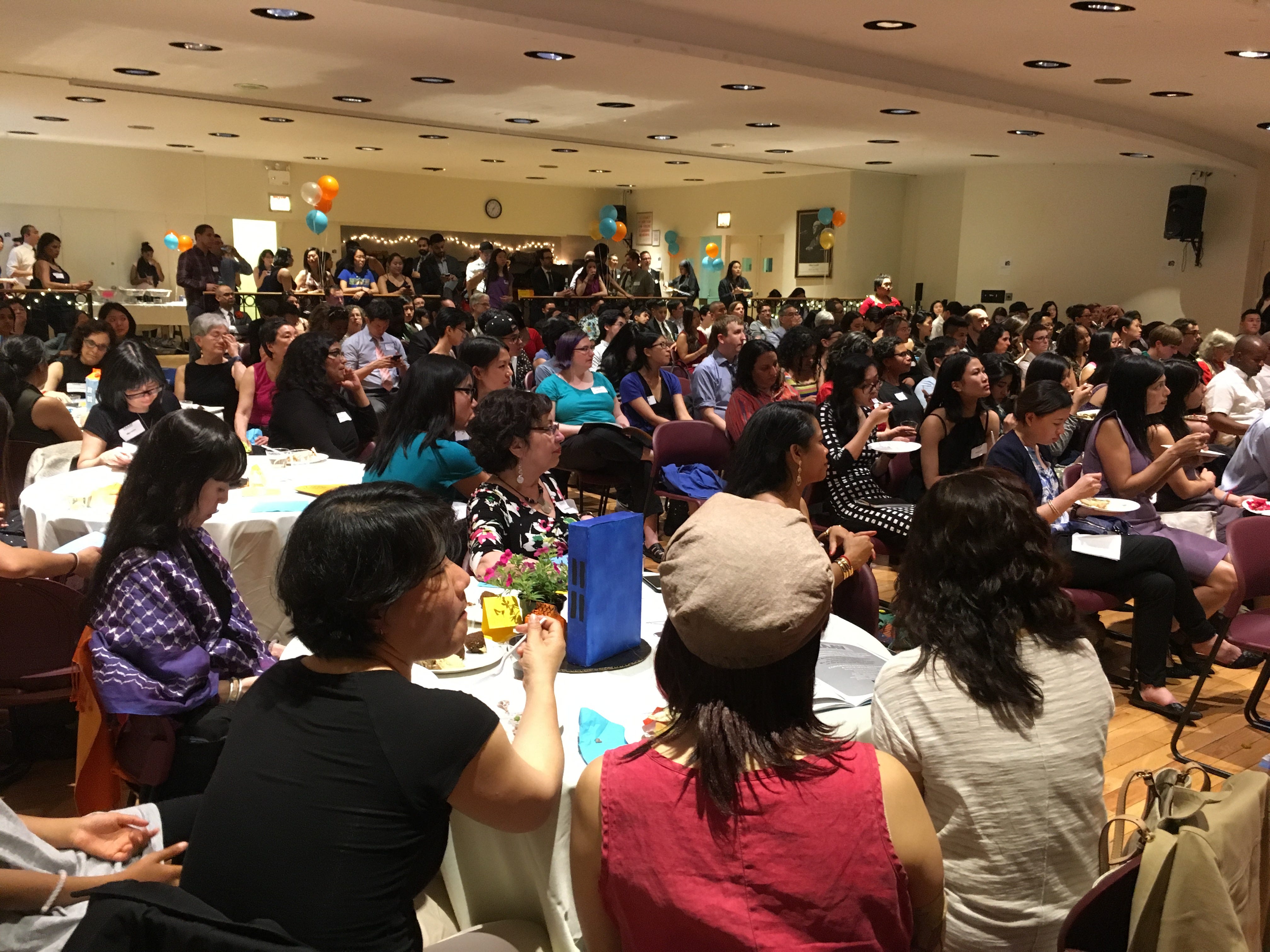
The shadow contracts are relentless. We wrote about shadow contracts a few weeks ago, the unspoken rules that run a room. At big conferences, those rules multiply exponentially. Do not leave a session early, even if it is not serving you. Do not skip the plenary, even if you need the time more than the content. Network during the breaks, which actually means perform during the breaks where you may be trying to use the restroom or grab a snack. Be seen at the reception. Stay for the whole thing. These unspoken expectations shape people’s experience more than any session description in the program.
The format assumes one kind of learner, one kind of body, and one kind of energy. Sit. Listen. Process. Repeat. For eight to ten hours. The big conference is built for people who learn by hearing, who can sit for long periods, who are energized by large groups, and who can process in real time. If that is not you, and for many people it is not, the conference was not designed for your participation. It was designed for your attendance.
What 10,000 People on a Ship Taught Me About Conferences
I wrote in our very first Culture of Convening piece about spending time aboard Royal Caribbean’s Utopia of the Seas, a floating city carrying roughly 10,000 people. I keep coming back to that experience because it challenges some of my assumptions about convening at scale.

A cruise ship convenes more people than almost any conference I have attended. And it does several things that most conferences refuse to do:
It gives people choices. At any given moment, there are dozens of things happening on that ship. You can be at the pool, at a show, at a restaurant, at a rock climbing wall, at a fitness class, on an excursion, or in your room doing nothing. Nobody is expected to be in one place at one time. The convening is designed around the reality that 10,000 people have 10,000 different needs, and the answer is not to force everyone into the same room. It is to create enough rooms that everyone finds theirs.
It designs for the body. The ship plans for when people will be hungry, when they will be tired, when they will want to move, and when they will want to rest. The food is available at multiple times in multiple formats. The spaces are designed for different energy levels. Nobody expects you to sit in a ballroom for four hours and then “network” over a cash bar appetizer plate.
It creates shared experience without forced participation. The themed deck party, the evening show, the sunrise yoga: these are shared reference points that give strangers common ground. But nobody is required to attend any of them. The participation is opt-in, which means the people who show up actually want to be there. And that changes the energy of every room.
I am not saying every conference should be a cruise (but imagine if it were?). I am saying that a cruise ship, designed for strangers who never chose each other, manages to center the people in the room better than most conferences designed for communities who already share a purpose. That should agitate those of us who convene.
What Would It Look Like to Redesign the Big Conference?
I am not here to say that we should abolish the conference. People need to come together. The desire for it is real, especially as more workplaces are exploring virtual or hybrid environments. The purpose is real, particualrly when people can agree there is a different energy when you are face to face with others. What I am saying is that the format deserves the same interrogation we have been applying to every other convening tradition in this series.
So here is what I would ask any conference organizer to sit with:
What if the best sessions were designed for 30 people instead of 300? Depth over breadth. Conversation over presentation. What if the conference had fewer sessions but each one was designed for actual engagement, not passive consumption?
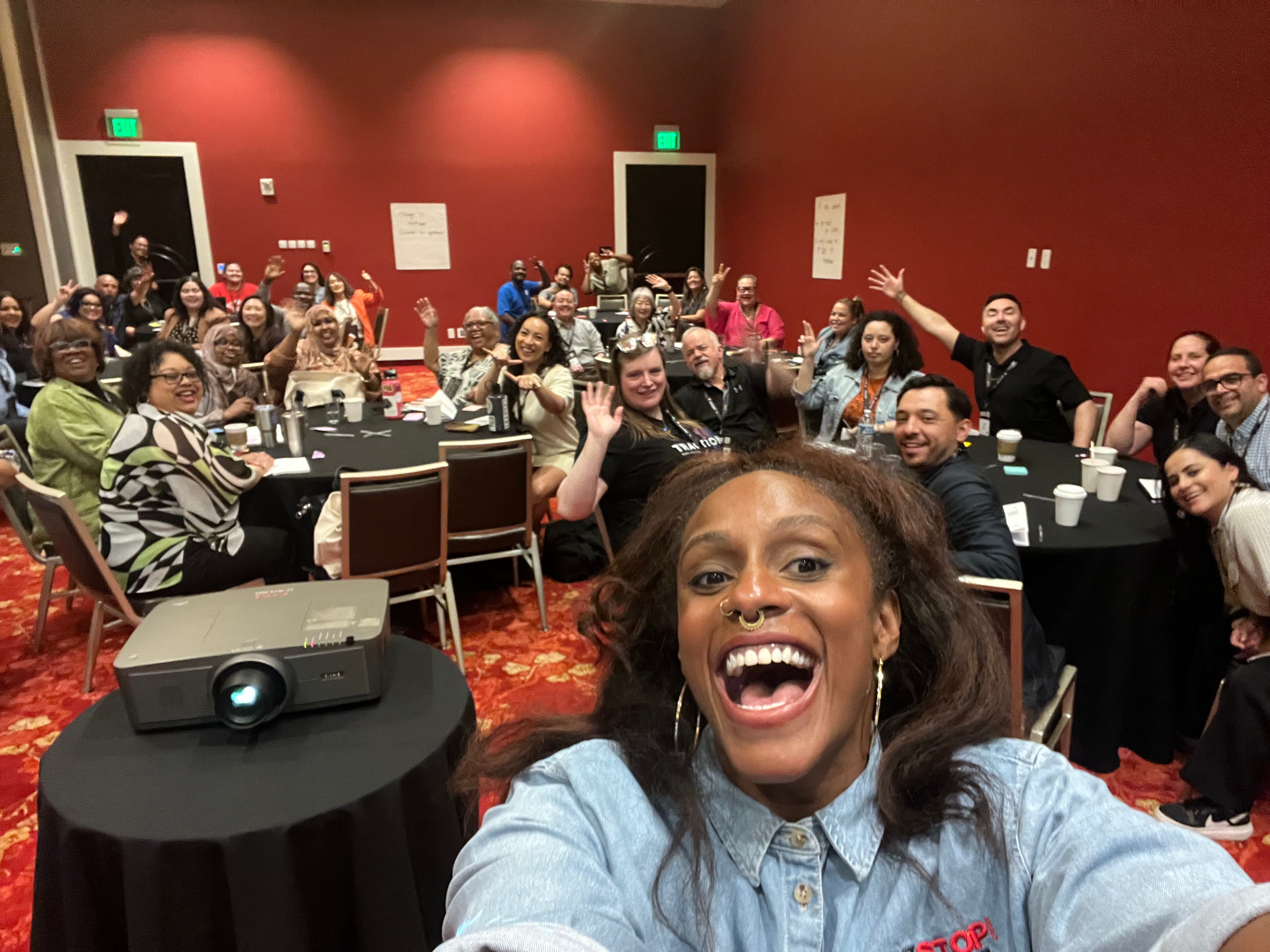
What if connection was designed, not accidental? What if the hallway conversations, the lobby exchanges, the lunch connections were treated as core programming instead of happy accidents? What if there were structured (but not forced) opportunities for people to meet the person they did not know they needed to meet?
What if the schedule had breathing room? What if there were gaps in the agenda that were not failures of planning but features of design? Time to process. Time to rest. Time to have the conversation that the last session sparked. Time to be a human in a body that has been sitting since 8 AM.
What if people could opt in instead of being expected to endure? What if attendance at every session was genuinely optional, and the measure of success was not how full the room was but how present the people in it were?
What if the closing plenary was worth staying for? If half your room has left before the closing session, that is not a scheduling problem. That is a design problem. The room is telling you something. The question is whether you are paying attention.
In our very first piece, Carmen and I wrote that the conference is not the ceiling of convening. It is barely the floor.
I still believe that. But I also believe the conference can be more than what it has become. It can be a place where people are actually centered, not just present. Where the format serves the room instead of the room serving the format. Where the most meaningful moment is not the one that happened by accident in the hallway, but the one that was designed with the same intention and care as the keynote.
We deserve better conferences. The people who attend them deserve better. And the only reason we do not have them is because we keep choosing the template over the people.
The template is not sacred. The people are.

This conversation is better with more people in the room.
If this piece sparked something for you, forward it to a colleague, a fellow facilitator, or that friend who’s always the one holding the space. And if someone sent this to you, welcome. Subscribe so you don’t miss what’s next.
This is so spot on - we tried changing @RootsCamp and succeeded at some of it but honestly still feel back on so much of the standard stuff. Love your engagement as we look to redo it and renew this year!
Love this. Thank you