



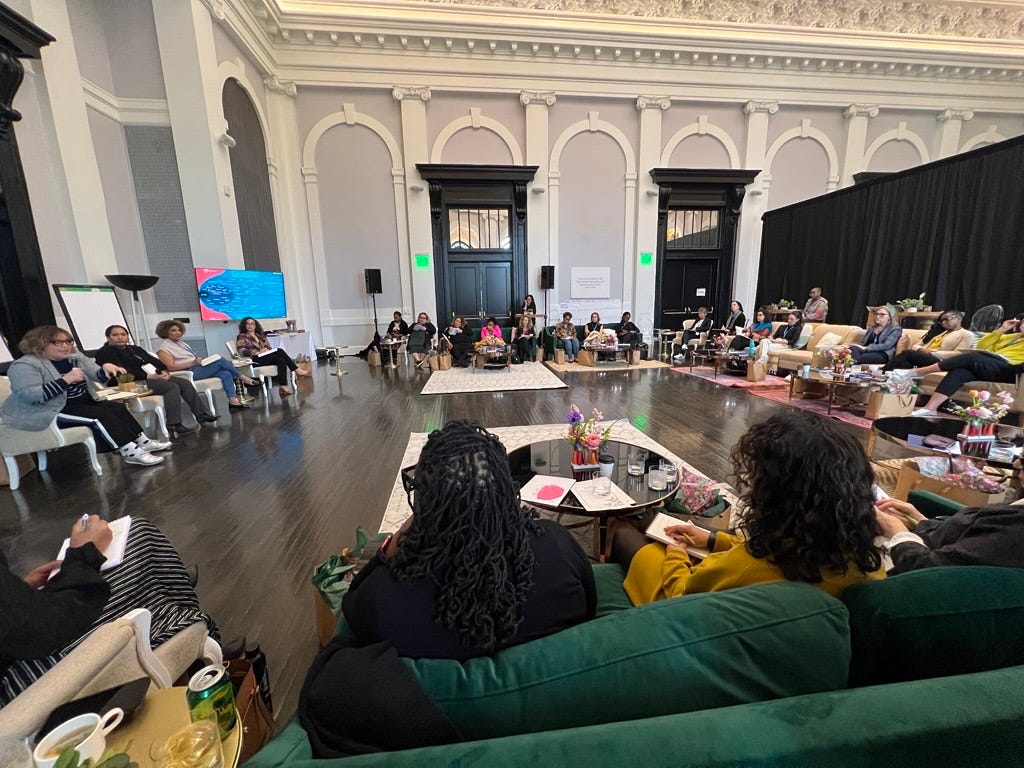
Every room has rules.
Some are spoken. Start at 9. End at 5. Mute when you are not talking. Stay on agenda. Hold your questions until the end.
And then there are the other rules. The ones nobody says out loud, but everybody is somehow expected to know anyway.
Who gets to speak first. Who can interrupt and still be seen as brilliant. Who has to be polished to be taken seriously. Whether disagreement is welcome, or only welcome if it comes wrapped in a smile and offered by the right person. Whether the room wants honesty or just affirmation with a little texture.
Most of us know these rules before anyone names them, and over time, we feel them.
That is one of the reasons we have been thinking so much about tradition, because every room inherits something. A rhythm. A power structure. A way of moving. A set of expectations about what is normal, what is respectful, what is allowed, and what will cost you.
We have come to believe that one of the most important jobs of a convener is not just to gather people. It is to surface the rules of the room before those rules start quietly governing who gets to belong.
I learned about tradition in at least three different ways.
The first was through family.
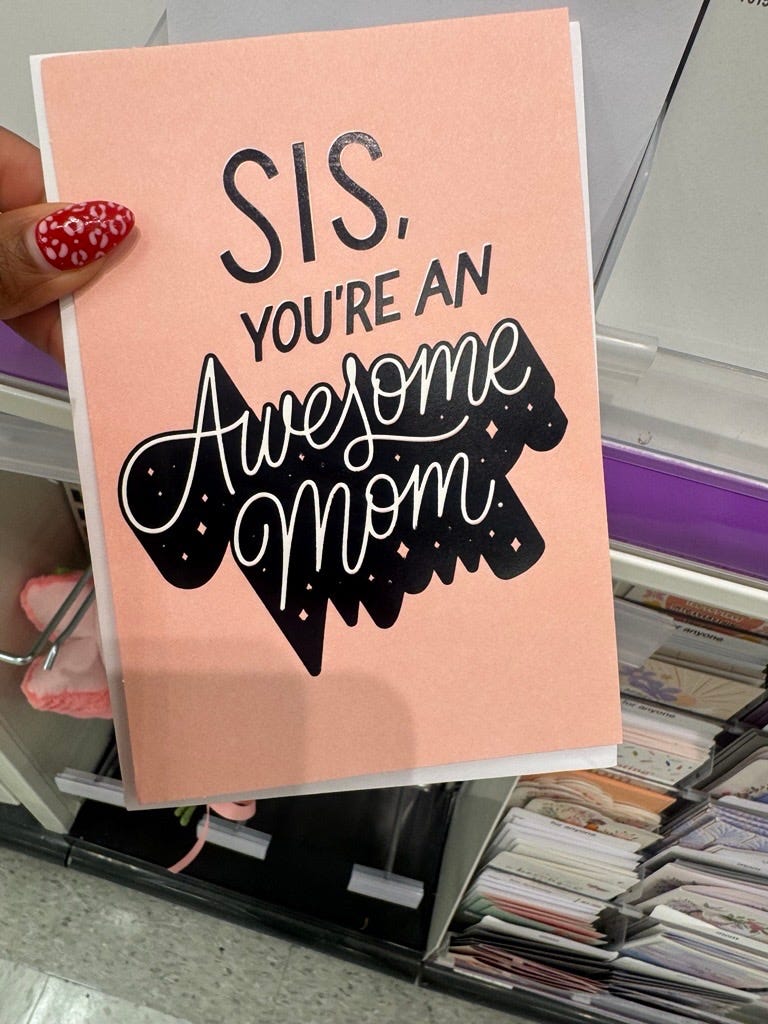
In my family, one of the traditions my sister Keeya created was that greeting cards had to be read out loud. Not skimmed or silently smiled at and set aside. They must be read out loud.
It is one of my favorite family traditions because it is small, but it carries so much. It is a sign of love, joy, and respect. It says: somebody took the time to write these words, and we are going to take the time to honor them together. My sister has passed on, but the tradition is still here. Her children know it. I know it. My mom knows it. When we are together, and somebody opens a card, we already know what comes next.
Read it out loud.
That is what tradition can do at its best. It can carry memory. It can carry belonging. It can make love visible and teach people how to be together.
The second way I learned about tradition was through work. Lord knows I have had enough jobs to learn it well.
I came into so many roles thinking I was about to make big change, only to get stopped at the door by a set of rules nobody had written down. Rules about how to move, who to talk to, who not to talk to, what was really up for discussion and what absolutely was not, who could challenge something directly and who needed to be more careful. It was like every organization had a handbook they forgot to print, and the consequences of not knowing it were very real.
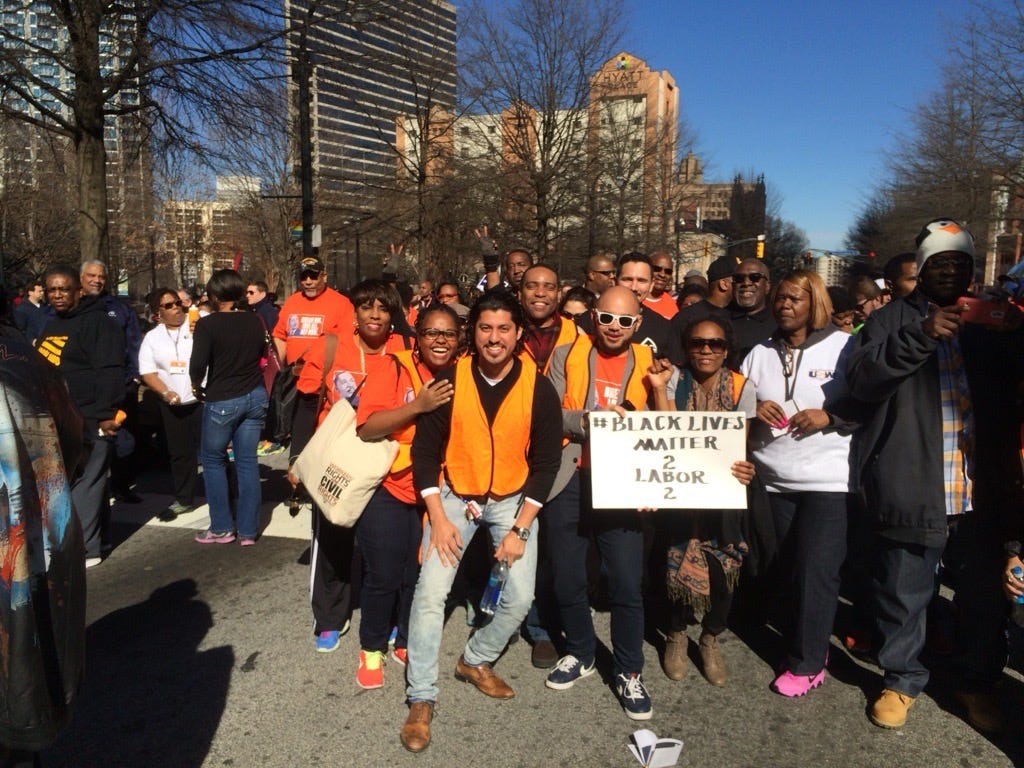
I will never forget one of my jobs at the AFL-CIO, when we hosted the Martin Luther King Jr. Civil Rights Conference. I came in with all kinds of ideas for how I wanted to shift the conference, freshen it up, and make it better. In my mind, I was being thoughtful and strategic. In reality, I was walking into a tradition that ran much deeper than my first round of ideas.
That conference carried history all the way back to A. Philip Randolph. It carried people’s labor, memory, and legacy. What I learned was this: if I wanted to change that space, I could not just come in with good ideas and a strong opinion. I had to go back to the people who built that space and created the conditions for us to even be there. I had to understand what the tradition meant to them. I had to gain trust before I could ask for change.
That lesson has stayed with me.
Because not all traditions are bad. Not all inherited practice is stale. Some traditions are sacred. Some are stabilizing. Some hold the story of how we got here. But some traditions also go unnamed for so long that they stop serving the people in the room and start serving only the people who already know how to win there.
That is where the spoken and unspoken rules come in.
Share this article with a a colleague, a fellow facilitator, or
that friend who’s always the one holding the space.
Every room has what I think of as a shadow contract. An invisible agreement about how people are expected to behave before anyone says a word (we learned this through The Empath Leader Book). The written agenda tells you what is supposed to happen. The shadow contract tells you how you are expected to survive it.
Sometimes the spoken rule is: “We want honest feedback.” The unspoken rule is: Do not embarrass leadership.
Sometimes the spoken rule is: “Bring your full self.” The unspoken rule is: As long as your full self is calm, concise, and easy to manage.
Sometimes the spoken rule is: “This is a dialogue.” The unspoken rule is: The decision has already been made, but we would love your thoughtful participation.
Sometimes the spoken rule is: “We are family.” The unspoken rule is: Do not name harm in front of outsiders.
That is what makes this work so important, because people who do not know the rules of the game are always playing at a disadvantage. And too many conveners hide the ball, whether they mean to or not.

That is why the third way I learned about tradition mattered so much to me.
At The Management Center, they use a tool called Preferences, Traditions, and Requirements. When I first encountered it, I had a real aha moment, because it gave language to something I had felt in my body for years.
Preferences: This is how I like to do it. Traditions: This is how we have done it, and it means something to us. Requirements: This is non-negotiable.
That tool is so simple, and so clarifying, because too often teams treat preferences like requirements, traditions like facts, and requirements like they are somehow optional depending on who is in charge that day. No wonder people are confused.
Naming those distinctions matters. It helps people understand what is flexible, what is inherited, and what truly has to stay in place. It helps teams make decisions with more honesty. It helps newcomers get oriented without having to learn everything through discomfort. It helps leaders stop acting like clarity is a luxury, and honestly, it is one of the kindest things you can do in a room.
The job of a convener is not just to set the agenda. It is to create conditions where people understand enough about the room to participate with dignity. It is to name what is expected, examine what is inherited, and question the rules that only work for insiders.
That does not mean every rule has to go, and it does not mean every tradition should be broken open just because somebody new arrived with fresh ideas and a Google doc. Some traditions are worth keeping. Some are worth protecting. Some are how communities honor the people who came before them. But even then, the work is still to name them.
There is a real difference between inviting people into a room with tradition and inviting people into a room full of traps. The best conveners know the difference. They know that written rules create structure, but unspoken rules create culture. They know that what is invisible often has the most power. They know that if you want people to participate fully, you cannot keep the real rules tucked behind the curtain and then blame them for not knowing the script.
Every room has rules. The question is whether you are willing to surface them, examine them, and decide on purpose which ones deserve to stay.
That is part of what it means to convene differently.
What is one unspoken rule in a room you lead or regularly sit in? Drop it in the comments. We read every one.
This conversation is better with more people in the room.
If this piece sparked something for you, forward it to a colleague, a fellow facilitator, or that friend who’s always the one holding the space. And if someone sent this to you, welcome. Subscribe so you don’t miss what’s next.