

When the Format Is the Problem
Many conveners choose their format on autopilot. And then they wonder why the room did not work.


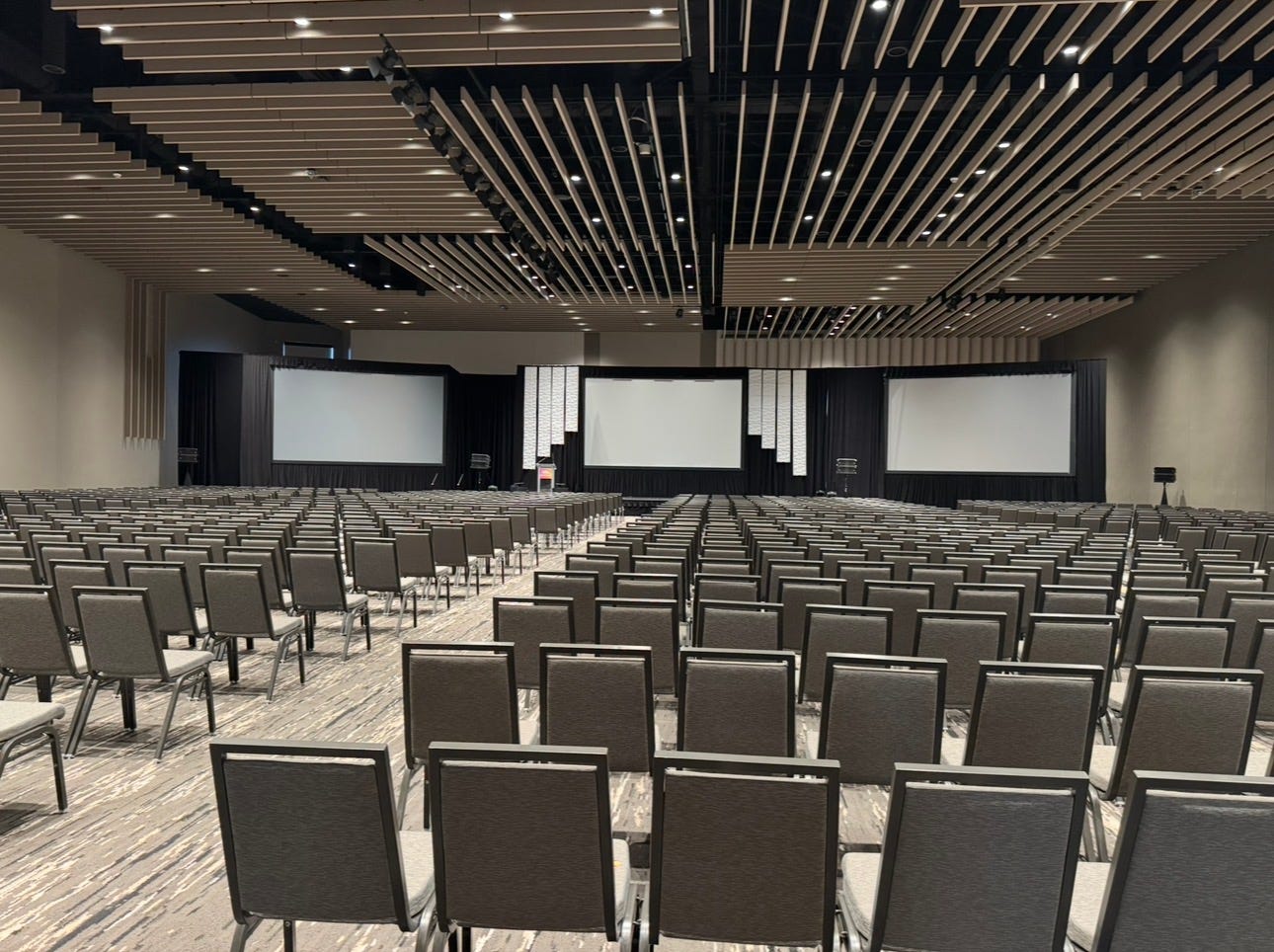
I want to tell you about a meeting I facilitated that should have been a retreat.
The organization had just gone through a leadership transition. Staff morale was low. Trust between departments had eroded. The new executive director wanted to bring the team together to rebuild connection and align on a shared vision for the next couple of years ahead.
So they scheduled a two-day in-person planning meeting.
The agenda was packed. Every hour had a deliverable. There were presentations, working groups, breakout sessions with report-backs, and a strategic planning exercise squeezed into the final afternoon. The venue was nice. There were windows and natural light. The food was decent. On paper, it looked like a thoughtful investment in the team.
But by the end of day one, I could feel the room deflating. People were going through the motions. The conversations that needed to happen, the honest ones about trust, fear, what had broken and whether it could be repaired, never found space because the format did not allow for them. Every time the room got close to something real, the agenda, ironically enough, intervened.
The problem was not the facilitation. The problem was not the people. The problem was the format. They needed a retreat. They got a meeting in a nicer building.
The Format Default
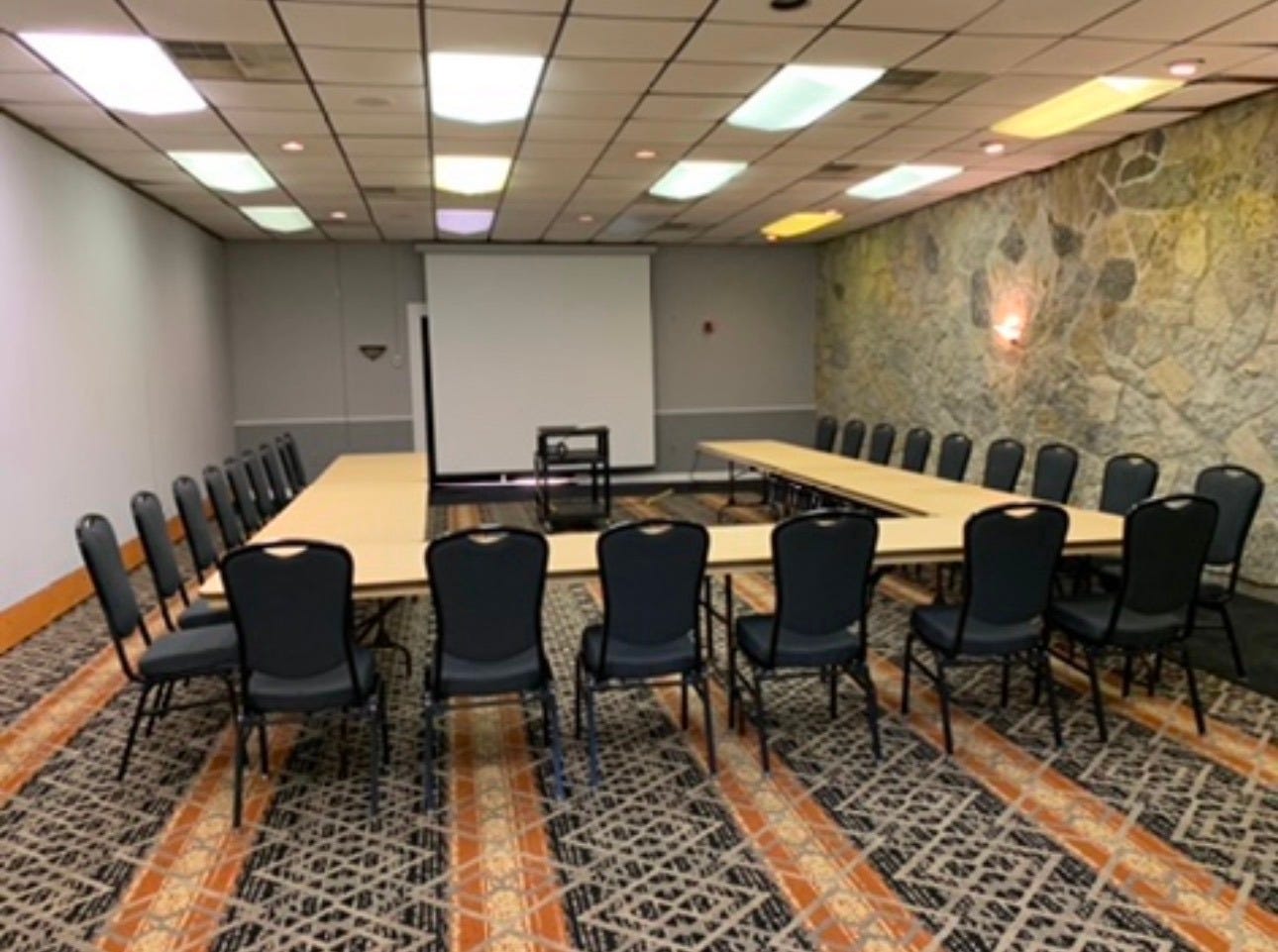
Here is something I have noticed over the years of facilitating: most conveners choose their format before asking what the room actually needs. The decision is usually made based on habit, budget, or what the organization did last time. Someone says, “Let’s do a retreat,” “Let’s plan a conference,” or “Let’s schedule a meeting,” and the format is locked before anyone asks the two questions we keep coming back to in this series: What is the intent, and who is being centered?
The result is rooms that are well-produced but poorly matched to their purpose. A conference when a summit would have been more effective. A panel when a fireside chat would have gone deeper. A plenary for 300 when the real work needed to happen in workshops or breakout groups of 20. A meeting when the room needed space to breathe, reflect, and reconnect.
The format is not neutral. It shapes everything: who speaks, how long they speak, what kind of participation is possible, how people connect (or do not), and whether the room can hold what it actually needs to hold. Choosing the wrong format is like writing a speech when the room needed a conversation. The content might be excellent. But the container is wrong.
The Difference Between a Meeting, a Work Session, and a Retreat
One of the most common format confusions I encounter is between these three. They get used interchangeably, and they should not be, because they create fundamentally different experiences for the people in the room.
A meeting is task-oriented. It has an agenda, a timeframe, and an expected outcome. The purpose is to make decisions, share updates, or align on next steps. A meeting can last 30 minutes or a full day, and an extended or multi-day meeting is still a meeting if the pace is packed and the outcomes are predetermined. Calling it something else does not change what it is.
A work session lives between a meeting and a retreat. It is more intensive and focused than a regular meeting, often spanning a half-day or more, and its purpose is production: building a strategic plan, designing a campaign, or developing a budget. The measure of success is output. It is not a meeting because it requires deeper, sustained attention. It is not a retreat because the purpose is to produce, not to connect.
A retreat is designed for spaciousness. It intentionally slows the pace, changes the environment, and creates conditions for reflection, connection, and renewal that are not possible inside the rhythm of a regular workday or environment. A retreat that centers its participants builds in unstructured time, honors the body, and does not fill every moment with programming. The best retreats leave room for the conversations nobody planned, but everyone needed.
The worst retreats are just meetings with candles.
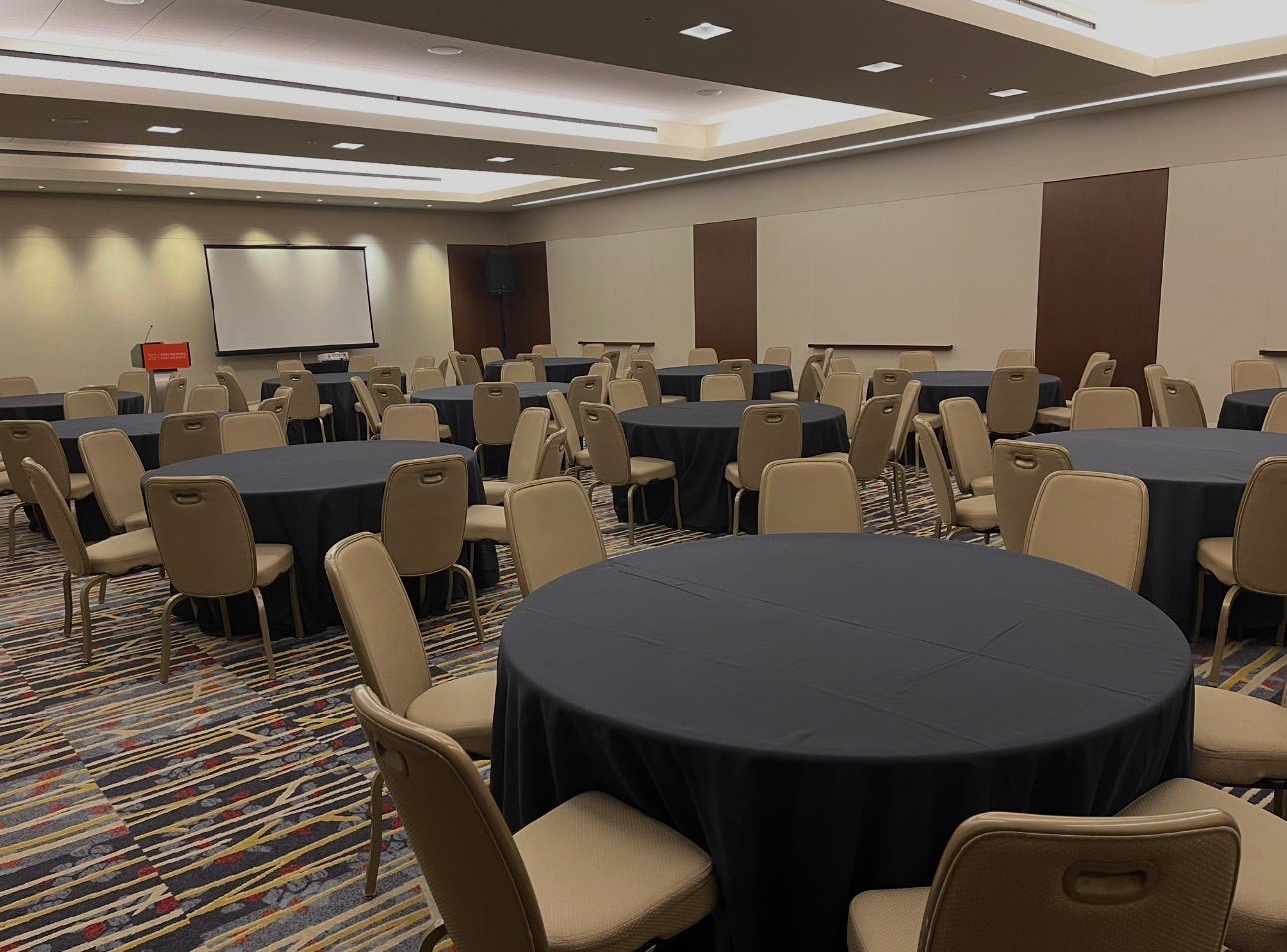
If you have ever been to a “retreat” with a packed agenda, back-to-back sessions, including meals and mandatory fun, and multiple strategic planning exercises or professional development sessions squeezed in, you know what I mean. The organization promised spaciousness, but delivered a meeting in a nicer venue. And the participants in the room could feel the gap between what was advertised and what was delivered.
The Format Shapes the Experience (Whether You Design It or Not)
I wrote recently about the big conference being broken. But the conference is not the only format that defaults to autopilot. The same thing happens at every scale:
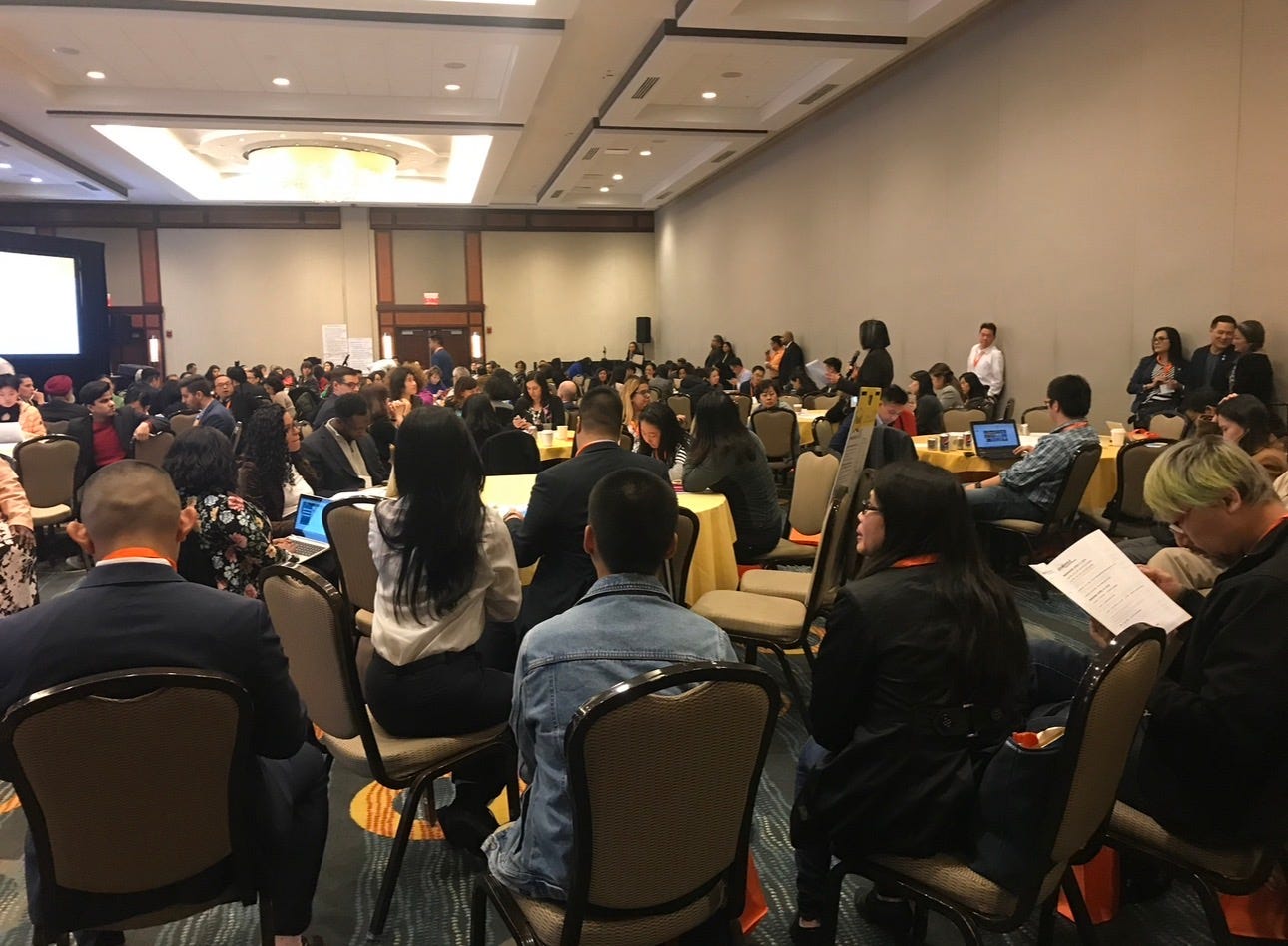
The default panel. Five speakers, one moderator, 60 minutes, and a Q&A that gets cut because the panelists talked too long. The panel is the format people choose when they cannot decide what they actually want. It is the path of least resistance, and it almost always centers the speakers instead of the audience. If you find yourself scheduling a panel, ask: Would a fireside chat between two of these people go deeper? Would a facilitated conversation with the audience be more valuable? Would a workshop let people actually practice what the panelists are describing?
The default reception. Cash bar, appetizer table, 90 minutes of unstructured mingling. For people who are natural networkers, this format is fine. For everyone else, it is 90 minutes of standing alone near the charcuterie board, wondering when it is acceptable to leave. A reception that centers its participants would include at least one structured (but not forced) way for people to connect with someone they do not already know. And as Carmen wrote in our last piece, it should be fun.
The default town hall. The elected official or company executive talks for 40 minutes, the audience gets 20 minutes for questions, and the person with the most confidence (not necessarily the most important question) gets the mic. A town hall that centers the community would flip that ratio entirely.
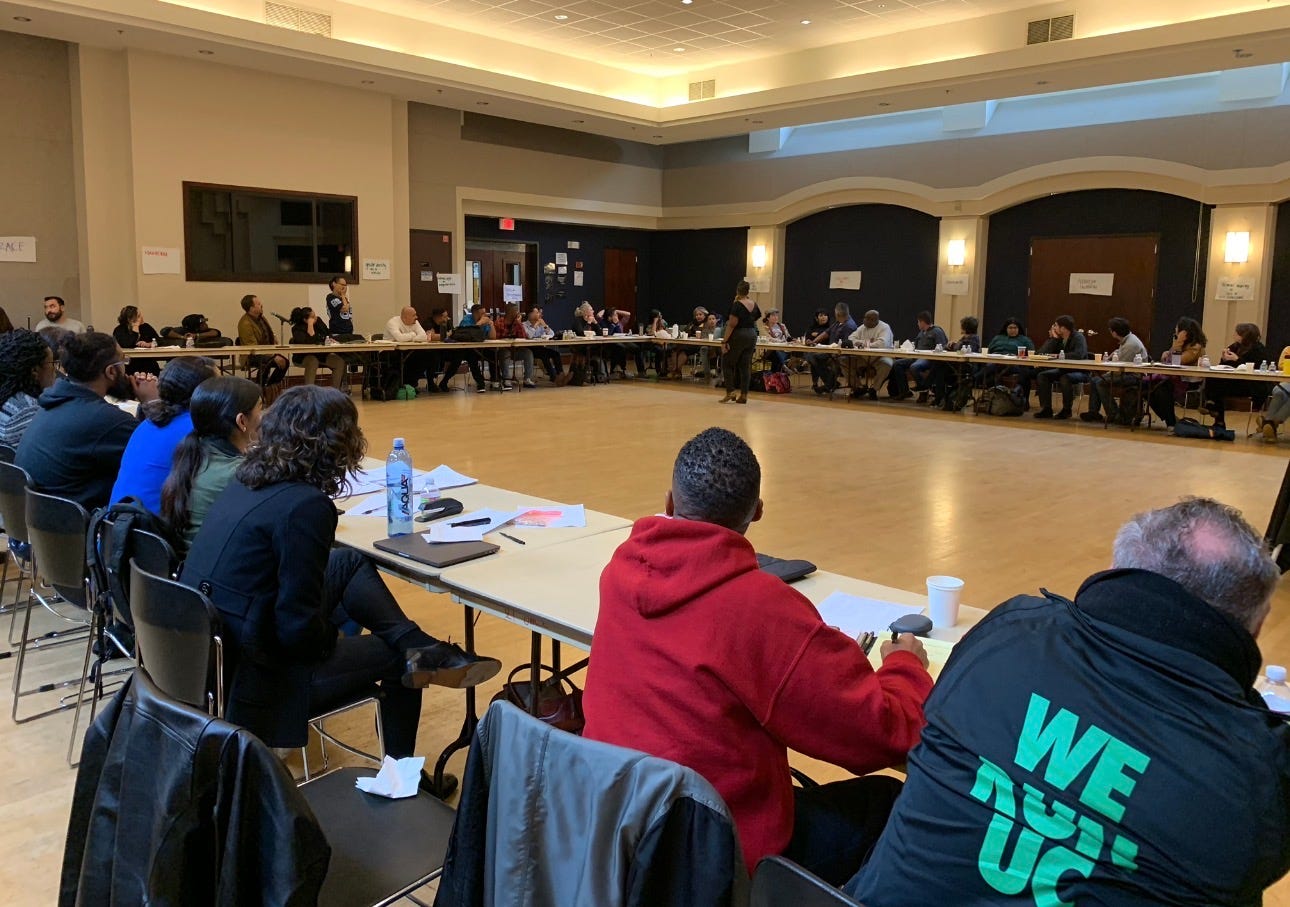
What we have learned is that in many cases, the format was chosen out of habit. And in those cases, a different format would have served the people in the room better.
Three Questions Before You Choose a Format
Before you choose your format for your next convening, sit with these three questions:
1. What does the room actually need? Not what do you want to present, or what did you do last year, or what fits the budget. What do the people in this room need in order to leave differently than they arrived? If they need information, a presentation works. If they need skills, a workshop works. If they need connection, a retreat or a dinner might be right. If they need to make decisions, a work session is the format. The need should drive the format, not the other way around.
2. Does this format match the depth of what you are trying to do? A 60-minute panel cannot rebuild trust. A half-day meeting cannot replace a retreat. A plenary cannot create intimacy. Be honest about the depth of the work and choose a format that can actually hold it. If the format cannot hold the purpose, either change the format or change the expectation, and then make sure you communicate it to the participants.
3. If you took the format away, would you design the same thing? This is the question from our tradition piece applied to format. If you were starting from scratch, with only the people and the purpose in front of you, would you build this exact experience? If the answer is no, you are letting the format dictate the convening instead of the convening dictating the format.
The format is the container. And the container shapes what is possible inside it.
A room that needs space to breathe will suffocate inside a packed agenda. A room that needs depth will skim across a panel with multiple people. A room that needs honesty will perform through a plenary. Not because the people in the room were unwilling, but because the format did not allow it.
I have been in rooms where the content was excellent, and the format was wrong. And I have been in rooms where the content was simple, and the format was perfect. The second kind always produces better outcomes. Because when the container fits the purpose, the people inside it can do what they came to do.
So before your next convening, before you book the venue or design the program or invite the speakers, ask yourself the simplest question: is this the right format for what this room actually needs?
If you are not sure, stay tuned. Carmen and I have been building something that might help.

This conversation is better with more people in the room.
If this piece sparked something for you, forward it to a colleague, a fellow facilitator, or that friend who’s always the one holding the space. And if someone sent this to you, welcome. Subscribe so you don’t miss what’s next.
 | A guest post by
|