

Your Convening Budget Is Telling on You
What $200,000 and a bag of chips taught me about designing gatherings people actually deserve


We’re so glad you’re here! Since a lot of y’all are conveners, planners,
and room-shapers too, tell us what you want us to talk about next.
If you want to guest write, say that too!
Do you prefer to listen? No problem!
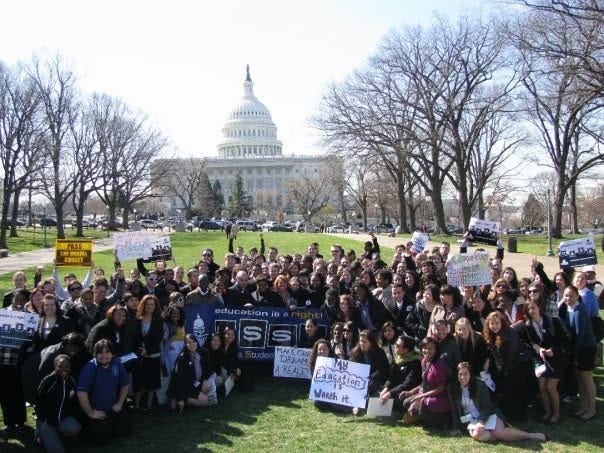
When Greg and I first started convening people professionally, we had to bring together about 400 progressive, BIPOC, queer, and newly radicalized college students for a legislative and leadership conference affectionately called Leg Con. This was a legacy conference, and we absolutely could not mess it up.
We held it at the bougiest hotel in D.C. at the time, L’Enfant Plaza, with maybe $200,000 to our name. We were flying students in from across the country and fighting over every line item you can imagine. Should we pay extra for the projector? How are we getting people from three different airports? Can we afford plated dinner, or is it box lunches again? Who’s willing to speak for free, because we were definitely not paying honoraria.
We were fundraising constantly, trying not to lose every nickel before the conference even started. And even with every financial obstacle possible, we were still trying to make every dream we could come true. That’s the part I keep coming back to.

What the cuts actually reveal
Most organizations do not treat the budget as a creative challenge. They treat it as a list of reasons they cannot do what people actually need, or they let a hotel contract dictate the program’s design, like the constraints showed up first and the dream had to fit inside them.
The budget becomes the excuse, the conversation killer, and the place where the dream goes to die.
And I think budgets tell on us.
Greg wrote about this in his piece, “If You Can’t Feed the Room, You’re Not Ready to Convene It.” He was right that people use budget as an excuse not to provide real food, access, and care— and I think it goes further than that.
When we focus more on the budget than on people’s experience, we betray our own values. We say we care about accessibility, then language access gets cut because it’s hard to project the need. We say we care about belonging, then travel support and childcare quietly disappear. We say we want people to feel welcomed, and somehow everyone still ends up eating the same dry chicken under fluorescent lights (you know exactly what I’m talking about!!!)
So maybe the real question isn’t what we can afford. Maybe it’s why we aren’t pushing harder for what people deserve.
I know what some of y’all are thinking: Carmen, your day job is at a multi-billion dollar foundation. Fair. But I thought this way when we were scraping together $200,000 and praying the receipts would work out. I thought this way when I was a broke college student turning a bag of chips and some queso into a Super Bowl party. Start from the experience people deserve, marry that to what’s actually in the bank, and get honest and creative about what’s possible. We can usually meet in the middle.
Will we have to make concessions? Of course. Will every dream get fully funded? No. But that’s different from starting with defeat.
One of the best convenings I’ve ever been to
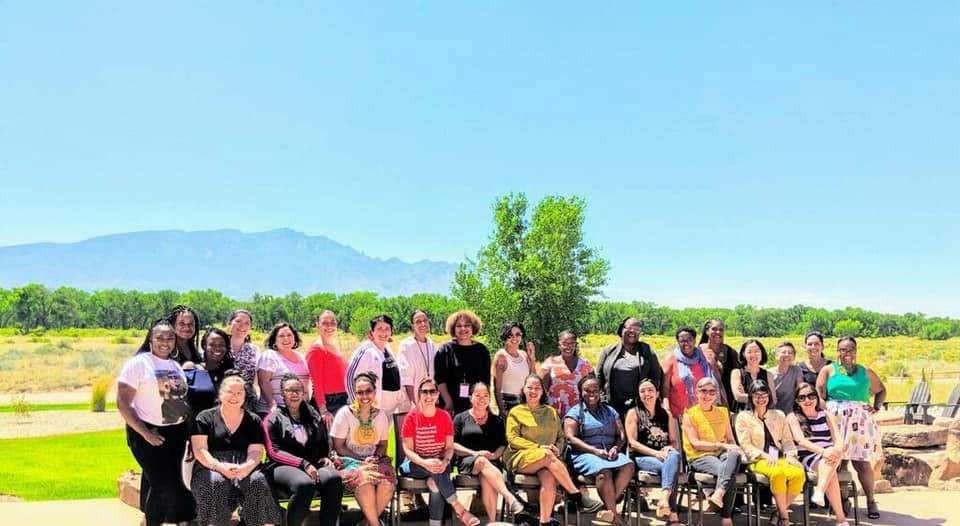
Brook Kelly-Green hosted it when she was at the Ford Foundation. I was consulting on the project. She wanted to bring together political women of color leaders who had intense jobs and needed real room to breathe, but also real work to do.
They chose Tamaya Resort in Albuquerque. Close enough to reach, far enough away that people had to actually arrive, and they did.
Priya Parker facilitated, and it was the first time I saw someone marry vision with structure that beautifully. Brook had a clear vision. Katherine Granger, the program designer, kept a sharp eye on the budget. They were budget-conscious, but they stayed open to possibility. The budget wasn’t running the room before people even got there.
Because they started from possibility, the space opened up. Rest, real food, an unforgettable landscape, thoughtful programming. The relationships that came out of that gathering were real. You could feel something had unlocked between leaders who hadn’t connected like that before.
This is what I want more people to understand: a good convening budget isn’t just about discipline. It’s about imagination.
Share this article with a convener, planner,
and room-shaper you know!
Six ways to design from possibility (before you look at the spreadsheet)
Start with the purpose. Before you cut a single line item, get clear on what this gathering is actually for.
Start with what success should feel like. If this works, what shifts? What becomes possible that wasn’t before?
Name what you’re trying to unlock. What needs to connect, deepen, or align because people gathered in person?
Connect it to the bigger strategy. If the convening is disconnected from the larger picture, the budget will usually reflect that confusion.
Tell the truth about last time. Pull your last three debriefs. What keeps working? What keeps getting missed?
Center the experience people deserve first. Food, accessibility, language access, comfortable rooms, easy travel, childcare. Start there. Then look at the money. Then get creative. Then ask who you know, what partnerships exist, and what can bend without breaking the soul of the thing.
Our job as conveners isn’t to kill the dream in the name of being practical. Our job is to make possibility real.
Your convening budget is telling on you. It tells what you protected, what you rushed to cut, and whether you funded the people's experience or just the look of the event.
People always know the difference.
Every budget has limits, but that’s not the real story. The real story is what did you do with those limits? What did you fight for? And what did you let go?
The question isn’t whether your budget has limits; it’s whether your imagination does.
So tell me: what’s one line item you’ve fought to protect, even when it would have been easier to cut it?
Drop it in the comments; I want to hear the real ones.
If this piece sparked something for you, forward it to a colleague, a fellow facilitator, or that friend who’s always the one holding the space. And if someone sent this to you, welcome. Subscribe so you don’t miss what’s next.
 | A guest post by
|