We spend a lot of time here talking about convenings with agendas, name tags, budgets with multiple line items, and run of shows. But some of the most powerful gatherings we’ve been part of never get called a convening at all.
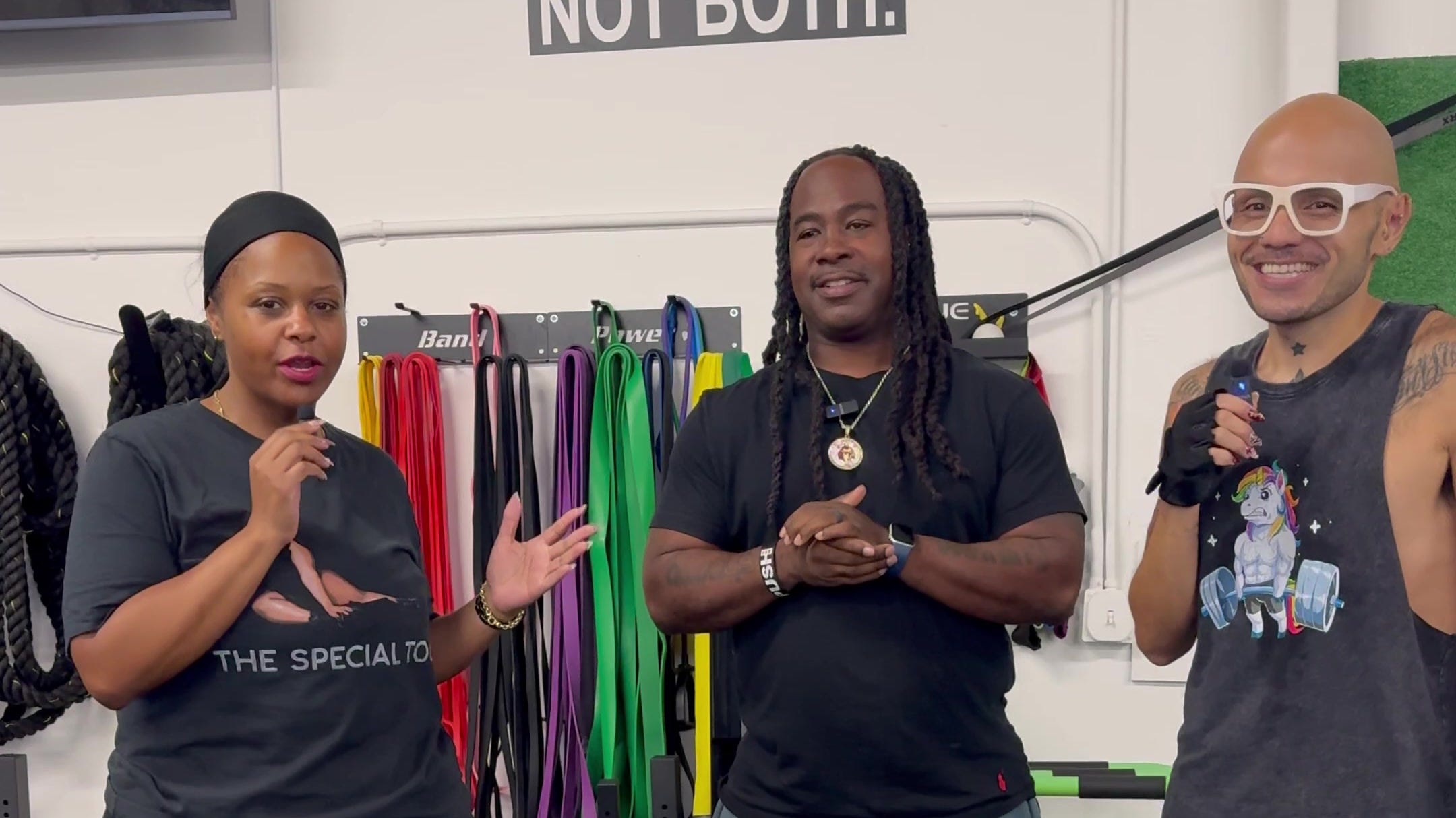
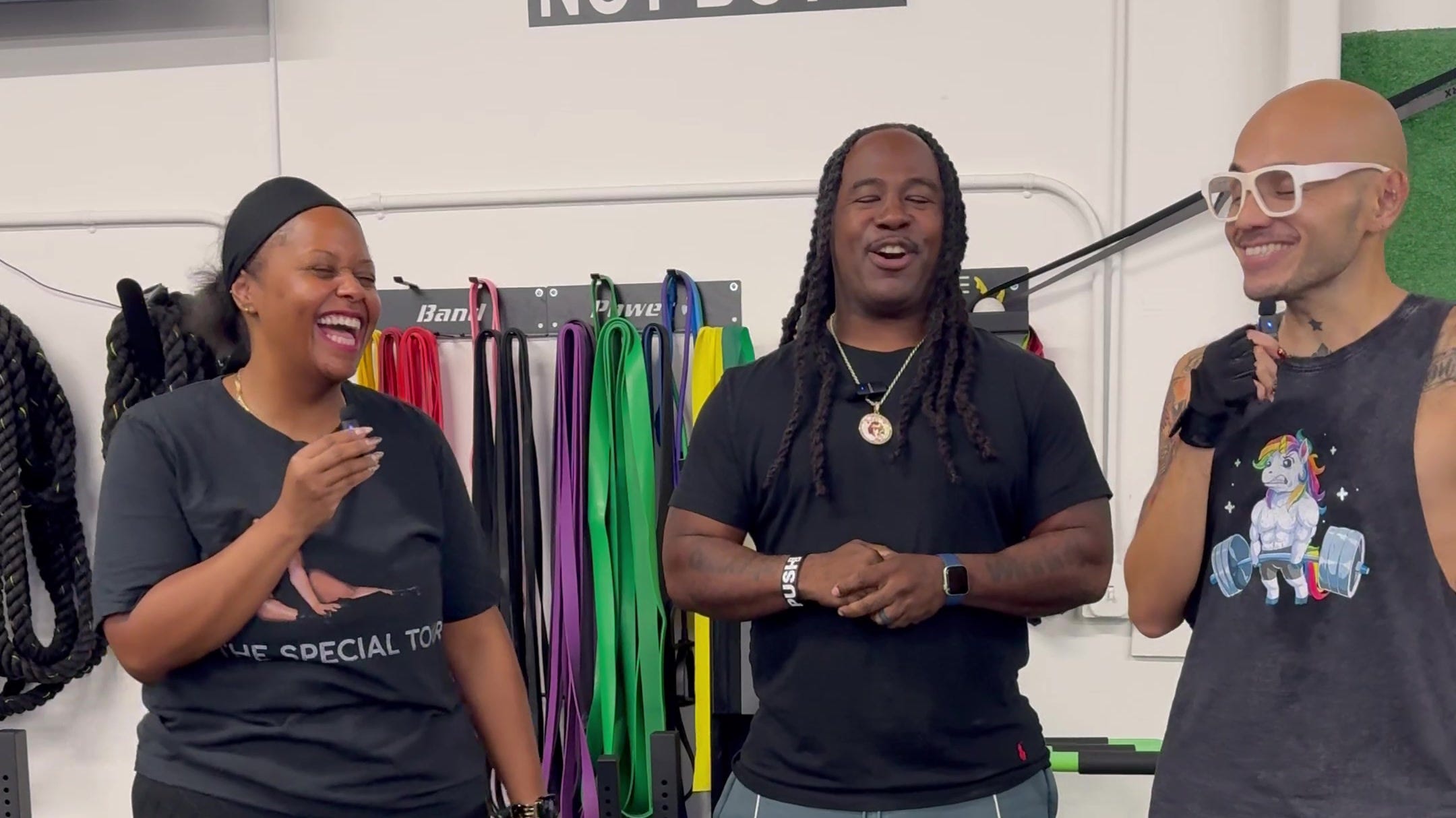
A few weeks ago, Gregory was visiting Carmen in Washington. He has watched and been part of Carmen’s fitness journey for a long time, so when she invited him to join one of her sessions with her trainer, Elijah Baker of Always Winning Fitness, at Spoonfed Training in Renton, he said yes.
What he walked into was a convening.
How Carmen found her way in
In Carmen’s words:
“I had been eyeing Spoonfed, the Black women owned gym, and I saw online he was one of the trainers. His personality was so electric that I reached out, and we ended up on the phone for an hour talking about my health and my goals. It’s always been about more than weight loss. It’s been about mental fitness, confidence boosting, and overall health.”
That first phone call or engagement matters. Before Carmen ever lifted a weight, she was asked about her goals and listened to. Belonging starts before the program officially does.
The welcome came first
When Gregory arrived as a guest, the welcome kept going. He met Elijah, and also other coaches and members of the gym. Nobody treated him like an outsider who had to earn his place.
Elijah starts every session with a check-in. As he told us, it’s how he can “put together the right game plan to meet them where they’re currently at.” It’s the same thing we ask of any convening: know who’s in the room before you decide what happens in it.
Different ages and different bodies in one room
Look around that gym floor and you’d see participants of different ages and body types, all working out in the same space. No one body was treated as the standard and everyone else as the exception.
That’s access by design in practice. It shows up in small, concrete choices: a range of weights so participants can start where they are, and coaches who offer modifications as a normal part of the workout instead of a special accommodation. When those options are built in from the start, nobody has to ask permission or make an extra effort to belong.
Built on trust, then vulnerability
Elijah started Always Winning Fitness after losing his dad in 2014. In his words, it grew into a supportive community that helped him heal, “and then we just pay it forward, help other people do the same thing.”
When we asked him why bringing people together in a space like this matters, he didn’t hesitate. “Number one, it’s a healing environment. We all need some type of healing.” That healing starts with trust, “because without trust, it’s hard for anybody to believe in anything that you’re saying.” Then comes vulnerability: “Can you be vulnerable enough to fail in front of the person in front of you?”
He’s clear that failure is part of the process, not a sign that something went wrong. “The only way we progress is through failure.”
We think about this constantly in our work. A convening that asks participants to be vulnerable before it has earned their trust will get polite silence. A convening that builds trust first gets the real conversation.
Celebration is part of the work
During the session, the gym stopped to celebrate a member who had reached a major goal earlier than she expected, because she had been putting in the work. The whole room cheered for her.
That moment stayed with us. Celebration isn’t a break from the work. It’s how a community tells its members, “We see you, and your progress matters here.” The best convenings make room for that kind of recognition.
Why we call this a convening
In our Convening Formats Guide, we ask two questions about any gathering: What is the intent? And who is being centered? At Spoonfed Training, the answers were clear. The intent was growth, physically and mentally. And the participants, with all their different starting points and bodies, were at the center.
Like the barber shop and the salon we wrote about earlier, the gym is one of those everyday spaces where community gets built in ways we don’t always name. As we’ve said before, there are more ways to convene than the ones we put on a calendar or default to in our workplaces. When we start seeing these spaces as convenings, we can learn from how they welcome, include, heal, and celebrate.
A seed for the new year
For many of us, January brings a familiar thought: “I should get back to the gym,” or “I need to refocus on my health and wellness.” We’ll be coming back to that in the new year, because walking back into a space after time away is its own kind of convening challenge. More on that soon.
Until then, we’d love your input: What’s an everyday space in your life that feels like a convening? Where have you felt welcomed in a way that stuck with you? Share in the comments.
And if you want to bring this lens to your own gatherings, our Convening Formats Guide and cheat sheet are available at cultureofconvening.com.
Thank you, Elijah, and the Spoonfed Training community, for opening your space to us. As Elijah says, “As long as you stay committed and you never give up, you will always win.”
– Carmen and Gregory
Redefining the tradition of coming together, where every identity, experience, and perspective belongs.
P.S. This conversation is better with more people in the room. If this sparked something for you, forward it to a colleague, a fellow facilitator, or that friend who’s always the one holding the space. And if someone sent this to you, welcome to the Culture of Convening Crew. Subscribe so you don’t miss what’s next.