



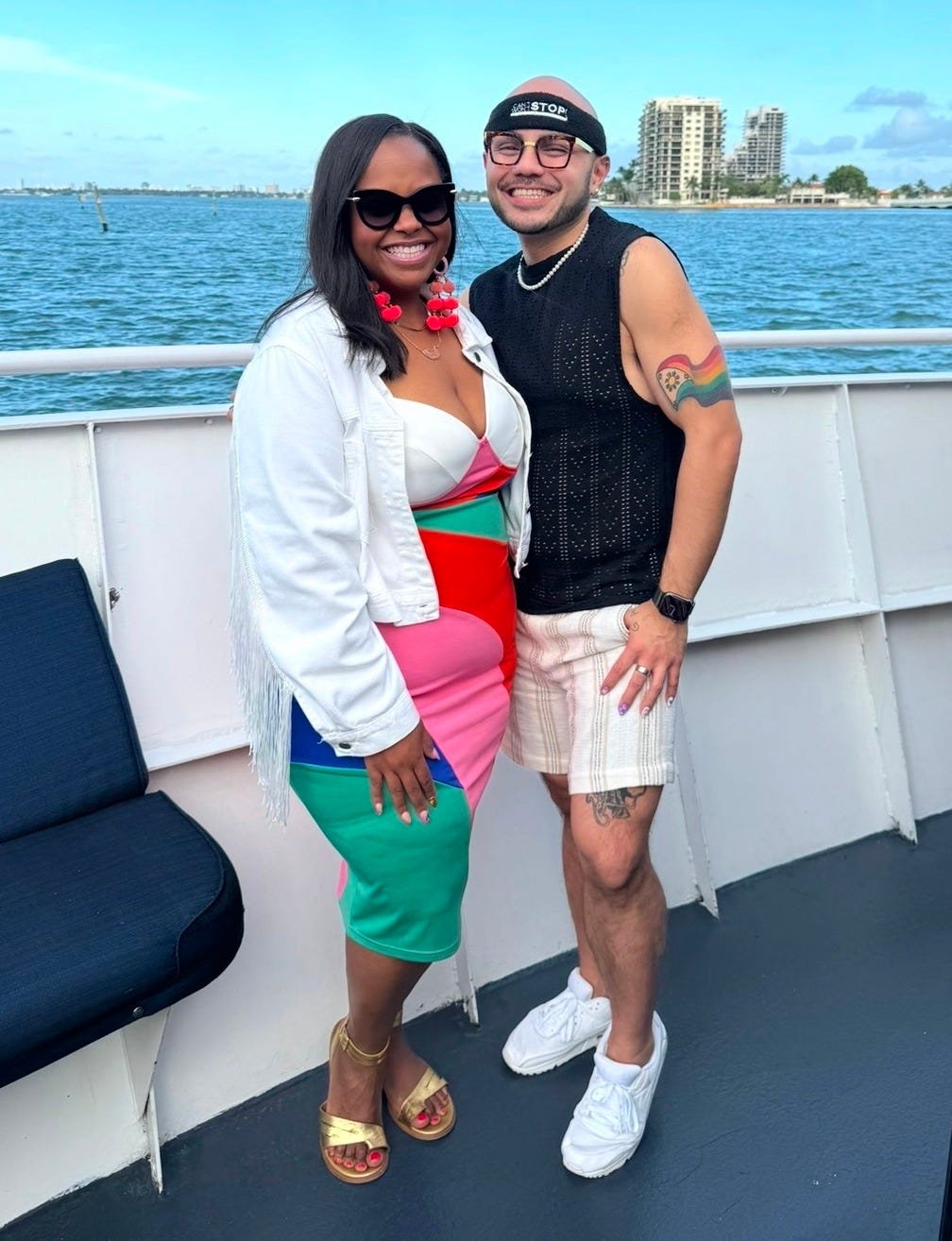
Quick: name five types of convenings.
If you said meeting, conference, retreat, workshop, and maybe gala or town hall, you are not alone. That is the list most conveners work from. It is also a very small list for something that shows up in every nook and cranny of our lives.
We have been thinking about this for a while. In our last piece, we wrote about what happens when the format is the problem and when conveners choose their container on autopilot without asking what the room actually needs. But there is a question that comes before that one:
Do you even know what your options are?
We started mapping every format we could think of. Not just the professional ones. Not just the ones that show up in conference planning guides. Every way that people come together for a shared purpose. The list got long fast. And the further we went, the more we realized: some of the most powerful convening formats are the ones most professionals never think to use or actually do and do not realize it.
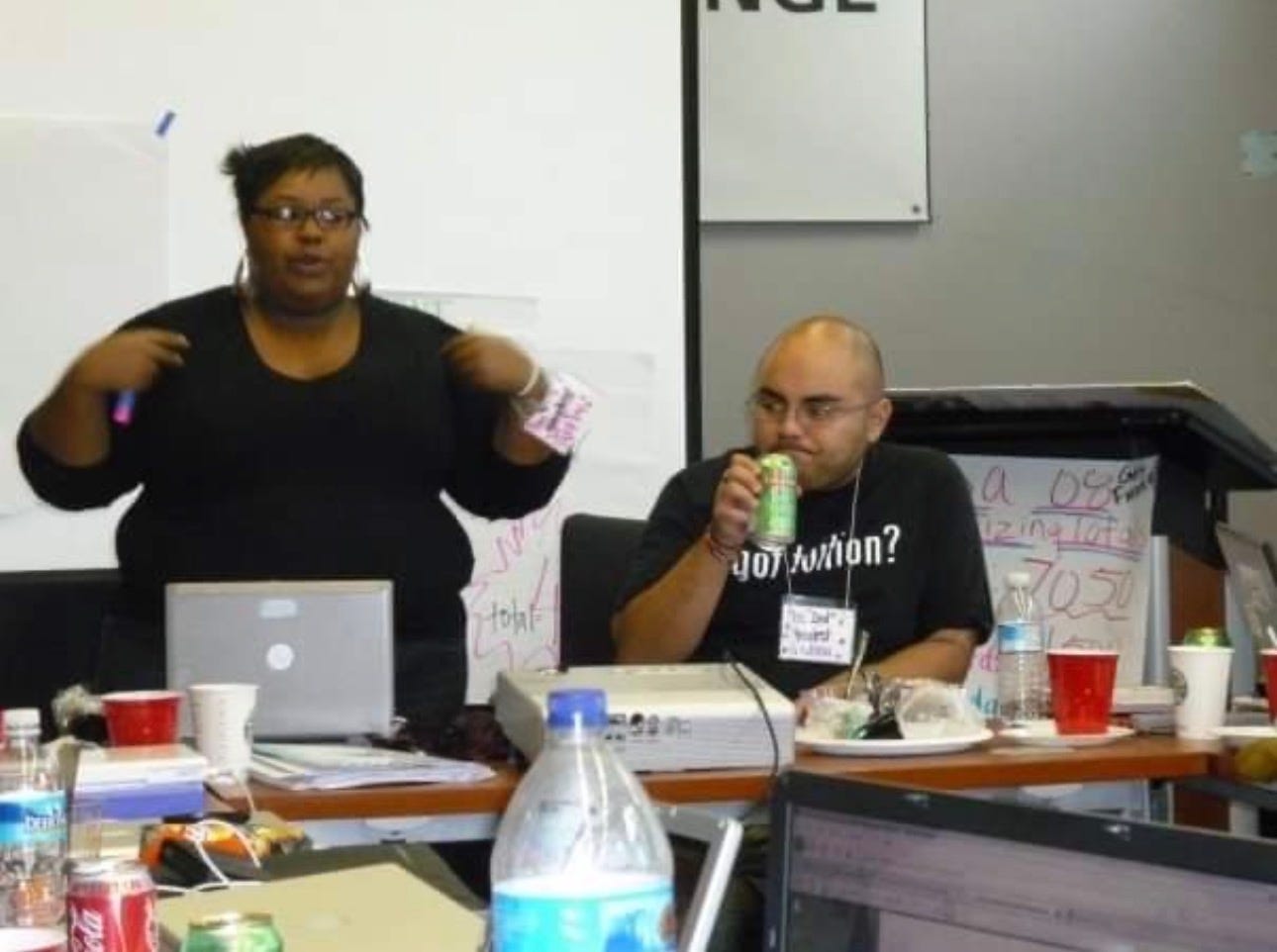
The Formats Most People Miss
Here are six convening formats that rarely show up in planning conversations, but probably should.
The Market. The farmers market, the night market, and the flea market. Nobody thinks of these as convenings, but they answer both of our defining questions: there is a shared purpose (exchange), and the people are centered (the vendors and the community they serve). Markets also teach us something most conferences refuse to learn: opt-in participation works. People come, browse, stay as long as they want, and leave when they are done. No one is captive. We think the market has more to teach professional conveners than most of them realize.
The Service Establishment. The barbershop. The salon. The nail shop. We wrote about these spaces earlier. They do not need an icebreaker because trust is already built into the architecture. The service is the reason people come; the convening is what happens while they are there. These spaces teach us that the best convenings often happen when people feel cared for physically, which opens the door to connection that no agenda could force.
The Pop-Up. A temporary convening that appears in a space for a limited time and then disappears. What makes the pop-up interesting is that it strips away tradition entirely. There is no inherited format, no template, and no “we have always done it this way.” Every pop-up is designed from scratch. That makes it one of the most honest formats available, because every choice the convener makes is intentional. We appreciate the pop-up for exactly that reason.
The Cruise. Gregory wrote about Royal Caribbean’s Utopia of the Seas: 10,000 people, none of whom chose each other, convened through multiple environments, designed-in choices, and enough variety that every person can find the room that feels like theirs. A cruise ship centers its passengers better than most conferences center their attendees. That should agitate those of us who convene.
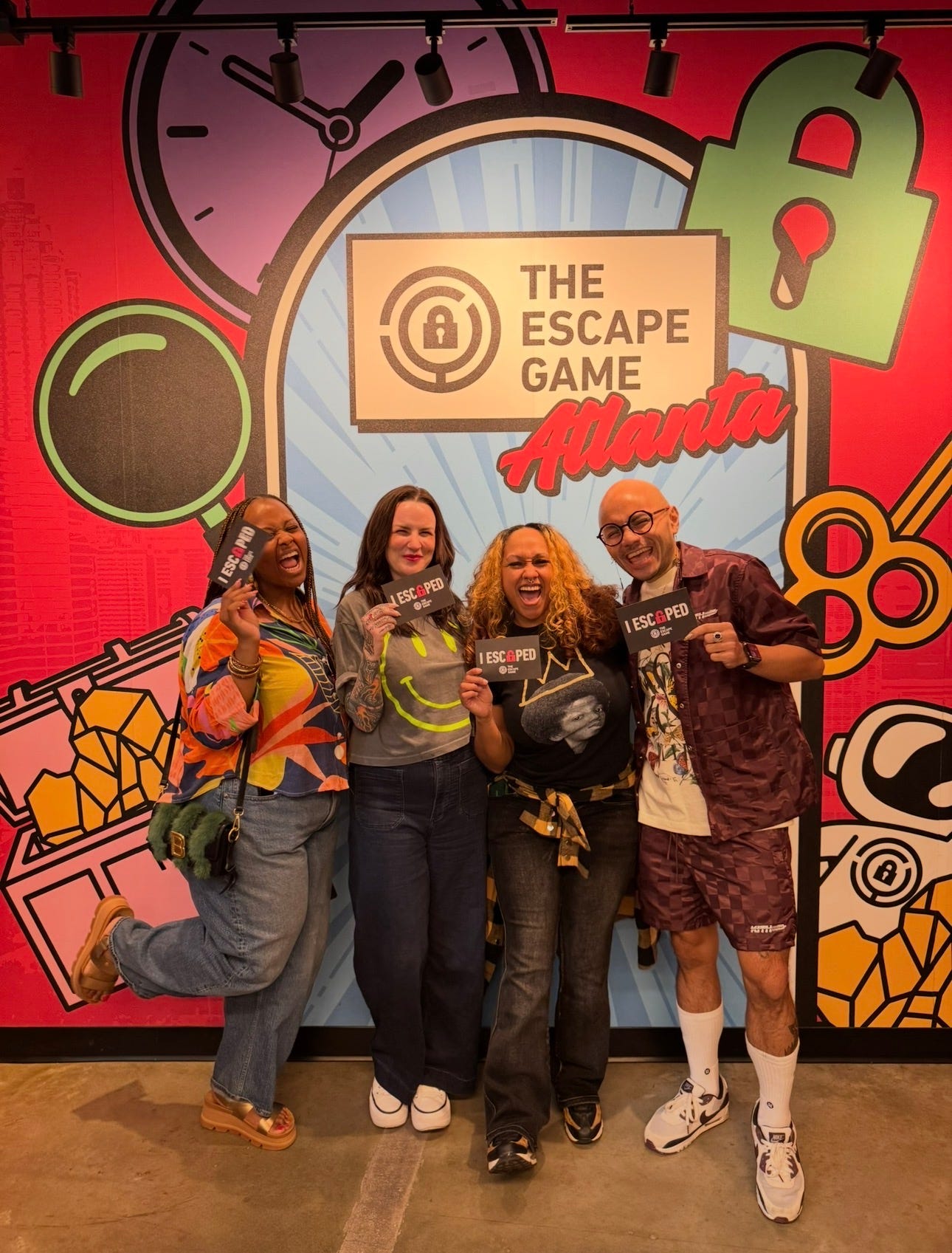
The Entertainment Venue. Build-A-Bear, bowling alleys, escape rooms, and theme parks. These are spaces where joy is the design principle, and nobody has to perform professionalism to participate. We went to Build-A-Bear together, and it became a conversation starter for Culture of Convening. Joy is an underrated design principle for convening. There is something to learn from spaces that let people show up as themselves.

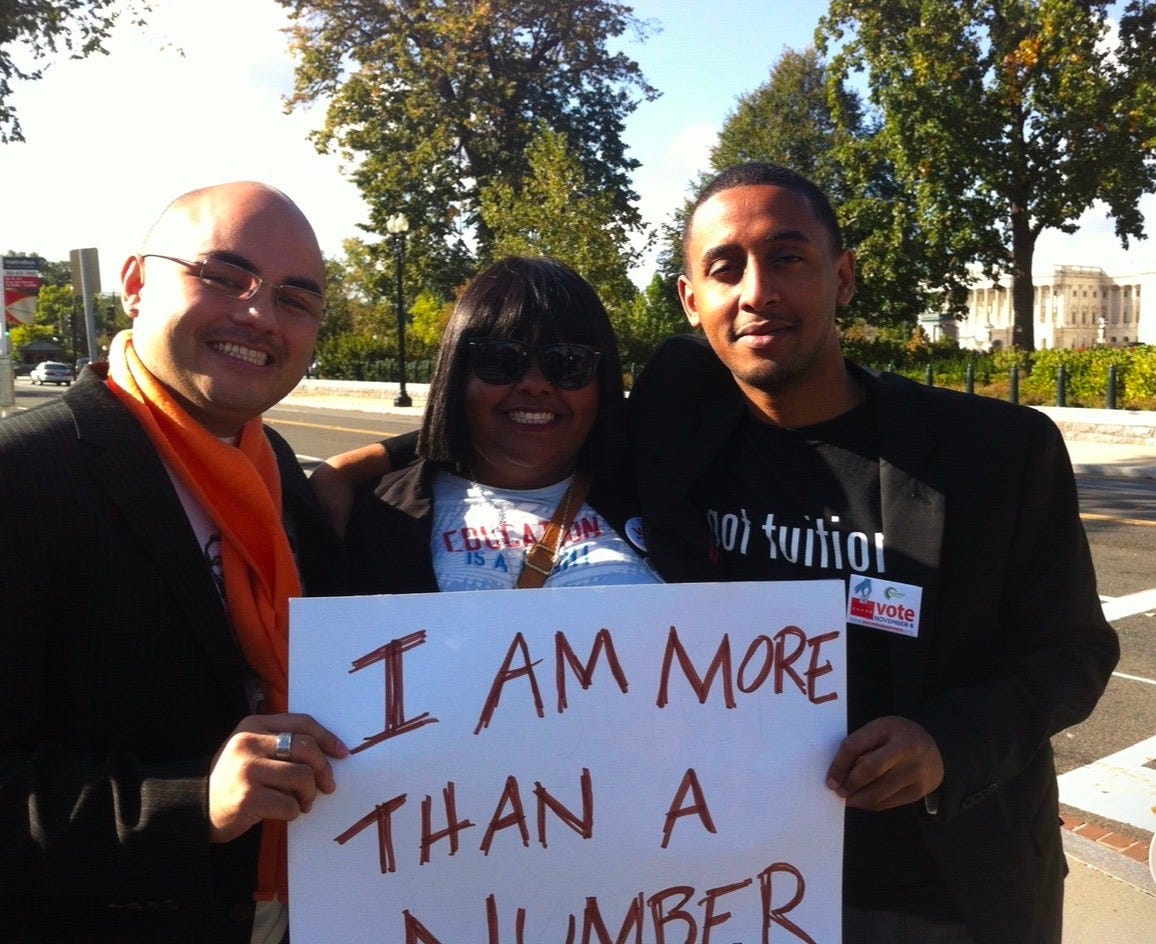
The Protest. A convening organized around collective action, public expression, or political demand. We have marched, organized, and convened in public spaces where the stakes were immediate and the purpose was non-negotiable. The protest is the convening where the centering question is clearest: this room exists for the people most affected by the issue.
What These Formats Have in Common
Every one of these formats does something that the default convening playbook often fails to do: it starts with the people, not the agenda.
The market does not force participation. The barbershop does not need an icebreaker. The pop-up does not inherit a template. The cruise designs for the body. The entertainment venue leads with joy. The protest centers the people most affected.
These are not alternatives to “real” convening. They are convening. And they hold lessons that every meeting planner, retreat designer, conference organizer, and facilitator can learn from.
In our very first piece, we wrote that the conference is not the ceiling of convening. It is barely the floor. These formats are what exist above, below, and alongside it.
Something Is Coming
Over the past several months, we have mapped, defined, and applied the Culture of Convening lens to 28 distinct convening formats. Not just the ones professionals default to, but the full range of ways people come together: from meetings to meals, from summits to salons, from assemblies to after-parties.
The result is A Convening Formats Guide: 28 ways people come together, defined through the Culture of Convening lens.
Each format includes a definition, our perspective on what makes it work (or fail), and real life examples. It is designed to be the reference you reach for before you plan your next convening and the tool you share with your team when someone says “let’s just do a conference” without asking whether a conference is the right format.
It is coming soon. If you are subscribed, you will be the first to know when it drops. If you are not subscribed yet, now would be a good time.
This conversation is better with more people in the room. If this piece sparked something for you, forward it to a colleague, a fellow facilitator, or that friend who’s always the one holding the space. And if someone sent this to you, welcome. Subscribe so you don’t miss what’s next.